
24/7 Emergency Line Open
Leak Detection in Longmont: Find and Fix Hidden Water Leaks
Leak detection begins with one question: is water escaping, or is use simply up? A plumber serving your area can answer it, then trace the leak before it spreads.
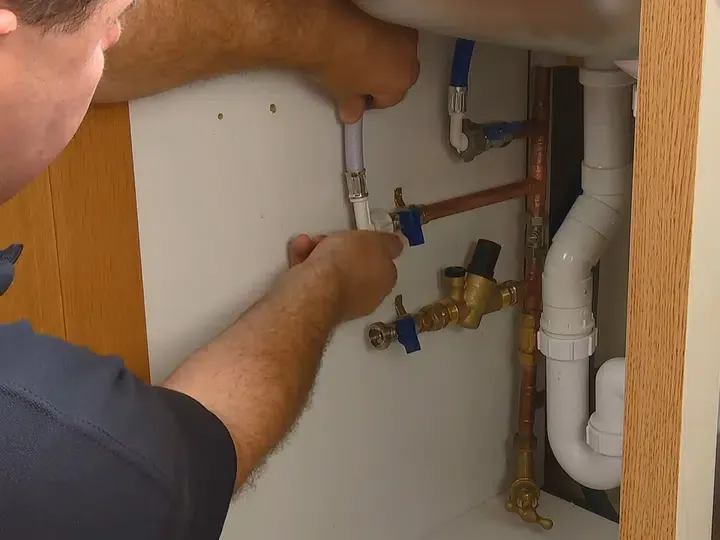
- Licensed and insured plumbers
- Same-day service when available
- 24/7 emergency dispatch
Is it a leak? Run this 10-minute check first
A bill that keeps climbing leaves one decision: chase the leak now, or pay for it every month while it spreads. EPA WaterSense estimates that the average home loses nearly 10,000 gallons a year to leaks, and that one home in ten wastes 90 gallons or more every day. Before anyone opens a wall, rule out ordinary use.
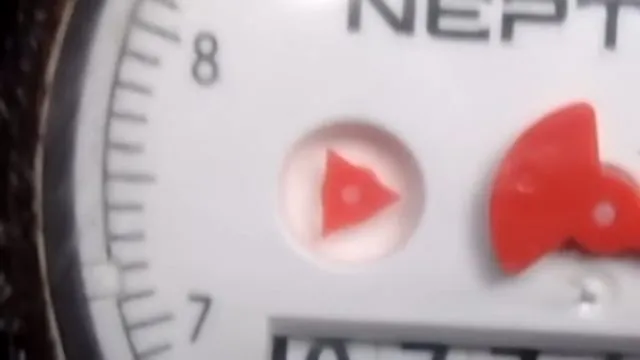
Longmont water meters carry special symbols that point to continuous flow, and the City of Longmont publishes a short video on reading them. EPA adds a rough yardstick: a family of four that uses more than 12,000 gallons a month in winter, when lawns sit dormant, probably has a serious leak.
- Stop all water use. Close taps, pause the dishwasher and washer, and check that the ice maker is not filling.
- Read the meter, then look at its flow indicator. Movement with every fixture off means water is passing through the meter.
- Wait 15 minutes and read it again. A changed number confirms the flow is real.
- Put dye or a few drops of food coloring in each toilet tank, wait 10 minutes without flushing, and look in the bowl. Color in the bowl is a leak, and EPA notes a worn flapper is the usual cause.
- Close the main shutoff valve inside the house and watch the meter. If it stops, the leak is inside the house. If it keeps moving, the leak is on the supply line before that valve.
Leak detection service: how plumbers find water they cannot see
Leak detection means locating the exact point of escape before any cutting starts. That matters because water travels. A stain on a ceiling can sit several feet from the failed joint, and a damp patch on a floor may trace back to a supply line two rooms away. Good detection narrows the search so the opening in a wall or floor is small and in the right place.
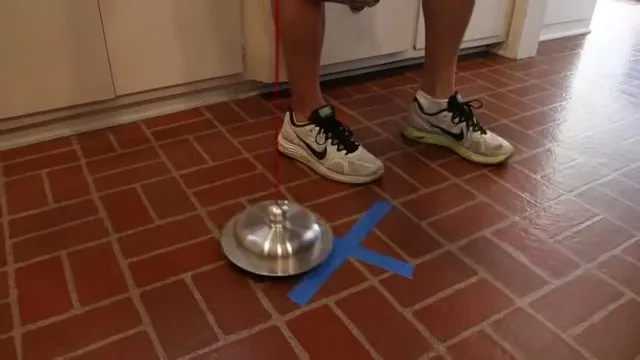
Which tool gets used depends on where the water is hiding and what kind of pipe carries it. Most hard cases use more than one method so the findings confirm each other.
| Method | What it picks up | Good fit when |
|---|---|---|
| Acoustic and electronic listening | The hiss or hum of pressurized water escaping a pipe | The leak is inside a wall, under a floor or in a buried line |
| Thermal or infrared imaging | Temperature differences where a wet area or a hot line sits behind a surface | Ceilings, walls and floors, and leaks on hot water lines |
| Pressure and hydrostatic testing | A drop in pressure after a section of line is isolated | Confirming which branch of the piping is losing water |
| Tracer gas such as helium | Gas escaping through the break and rising to the surface | Cases where listening alone is unclear |
| Camera inspection | Cracks, offsets and roots inside a drain line | A damp spot that may be coming from a drain, not a supply line |
Hidden and underground leaks
Leaks you cannot see usually give themselves away indirectly. Water pressure falls at the faucets, the water heater seems to run more often, a floor feels warm in one spot, or a room smells musty even though nothing looks wet. Humidity can hide a slow leak for months because wood and drywall absorb water before they show a stain. Any of these signs is reason enough to schedule detection instead of waiting for a stain.
Questions worth asking before work starts
- How will the leak be located before anything is cut open?
- Will you see the reading, photo or test result that points to the spot?
- What does the repair involve once the leak is found, and what stays untouched?
- Who restores drywall, paint or flooring afterward? Finish work is usually a separate trade.
Leak repair: patch the pipe, replace a section or repipe
Finding the leak is half the job. The repair decision depends on how much of the pipe around it is still sound. A single failure in otherwise healthy pipe usually means cutting out a short section and joining in new pipe. Repeated failures in the same run point to wear along the whole line, and patching it again just moves the next leak down the pipe.
| What the plumber finds | Usual choice | Reason |
|---|---|---|
| One failed joint or pinhole in sound pipe | Replace that section | The surrounding pipe is not the problem |
| Second or third leak in the same line | Replace the whole run | Patches keep failing where the pipe is worn |
| Leaks appearing in several rooms | Discuss repiping the house | The pipe is aging everywhere, not in one spot |
| Leak on the line between meter and house | Repair or replace the buried line | The digging method changes the scope of work |
When pinholes and corrosion show up across the house, the conversation moves toward repiping and pipe repair. When the damage is limited to the buried supply, the plumber will point you to water line repair instead.
Plumbing inspection and pipe condition check
A plumbing inspection looks at pipe material and age, visible corrosion, water pressure and the condition of shutoff valves, and it includes a check for silent toilet leaks. It also suits a home purchase, since pipes behind walls rarely show wear until they fail. Pressure testing of the supply lines can be added when the inspection raises questions.
A leak does not pause for the weekend
If the water is still running, the dispatcher will tell you what to shut off first, and a plumber serving your area can be sent when one is available.
Where leaks tend to hide in a house
The location of the symptom narrows the list of suspects. This table matches common signs to likely sources and to the page that covers each one.
| Where you notice it | Tell-tale sign | Likely source and next read |
|---|---|---|
| Wall or ceiling | Brown stain, bubbling paint or a drip after the shower runs | Supply or drain line behind the surface; handled on this page |
| A concrete floor | A warm spot or the sound of running water underfoot | A line under the floor; see slab leak detection and repair |
| Lawn strip between meter and house | Soggy ground with no rain | The buried supply; see water line replacement |
| Toilet, faucet or shower | Dye in the bowl or a constant drip | A worn fixture part; see faucet and toilet repair |
| Basement or crawl space, if the home has one | Damp insulation, musty air or drips from the floor above | Supply or drain lines running overhead |
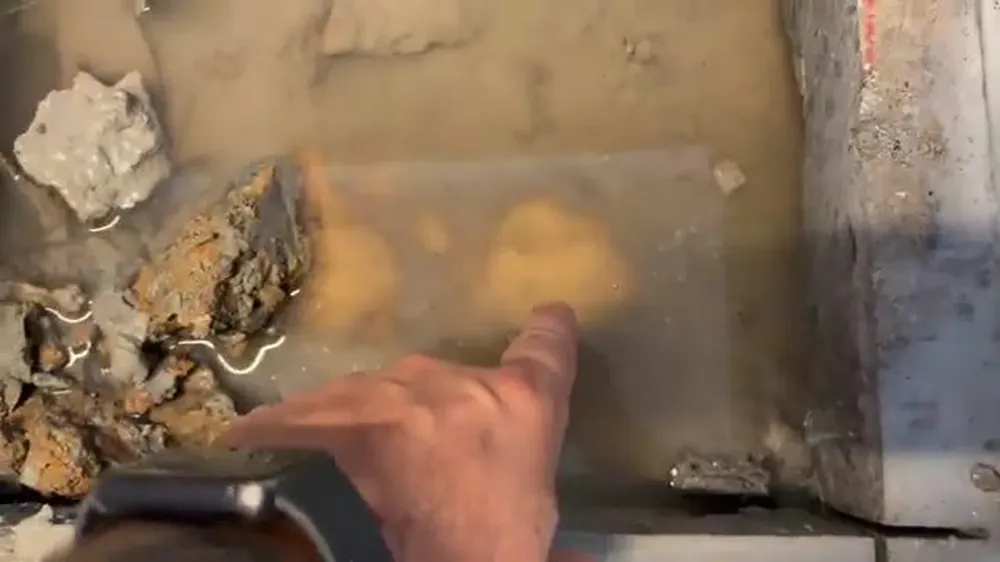
Sprinkler and irrigation lines are a separate trade, so a leak in a lawn system calls for an irrigation contractor. Appliance hoses are another common source: washing machine and dishwasher supply lines and the ice maker line all leak without any visible puddle until the flooring gives way.
Business owners can use the same service. Commercial plumbing covers leaks in restaurants, offices and multifamily buildings, where lines are longer and shutoffs are harder to reach.
Wet spot spreading while you read this?
Dispatch answers at every hour. Share what you found in the meter check, and the dispatcher will say whether it can wait for a scheduled visit.
When a leak has already done damage
Leaks that run for weeks leave damage behind: swollen baseboards, soft drywall, stained subfloor. Start by stopping the water, then photograph everything before cleanup. Keep the plumber's invoice and any detection findings, because an insurer will want to see what failed and when it was fixed. Questions about coverage belong with the insurance company, not the plumber.
Wet materials should come out and dry quickly. The scope of water damage restoration is water removal and drying, so ask early who will handle it while the plumber works on the pipe.
What to have ready when you call
- Where the water is showing up and when you first noticed it
- Whether the meter moves with every fixture off
- The age of the house and the pipe material, if you know it
- Where the main shutoff valve is and whether it turns
- Photos of any stains, drips or wet spots
Ready to stop paying for water that is going nowhere?
Say where you think the leak is, and a plumber serving your area will take it from there.
- Licensed and insured plumbers
- Same-day service when available
- 24/7 emergency dispatch