
24/7 Emergency Line Open
Water Line Replacement in Longmont: Leaks, Pressure and the Meter
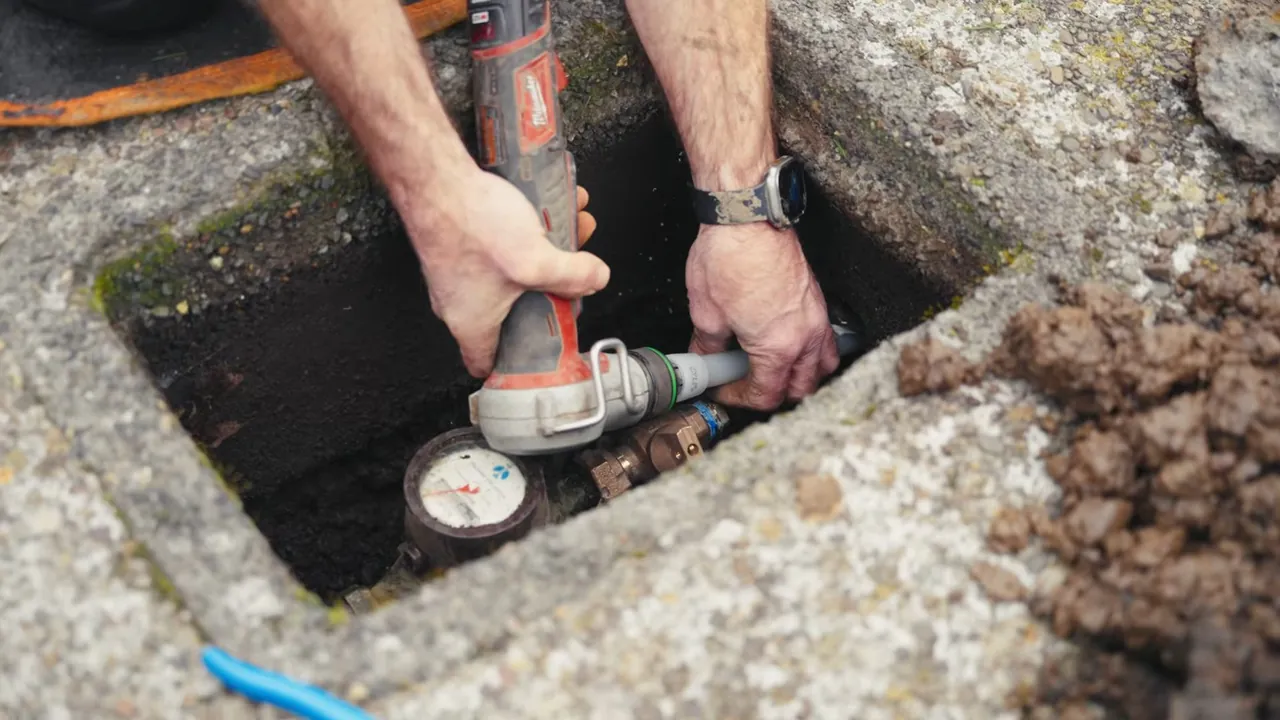
The water service line carries every drop from the city main to the house. When it leaks or the pressure behaves oddly, the problem is often at the meter, the shutoff or the regulator.
- Licensed and insured plumbers
- Same-day service when available
- 24/7 emergency dispatch
Yard, meter box or inside: where the leak sits
Signs of a service line leak include a wet or unusually green patch above the line, a meter that keeps turning with everything off, a bill that climbs for no reason, and low pressure through the whole house. Hissing near the shutoff or a damp meter box point to the connection points.
A leak between the meter and the house sits on the customer side, so it is found and repaired from the yard. The leak detection page explains how plumbers confirm a hidden leak before digging, and the dispatcher can send someone to trace it.
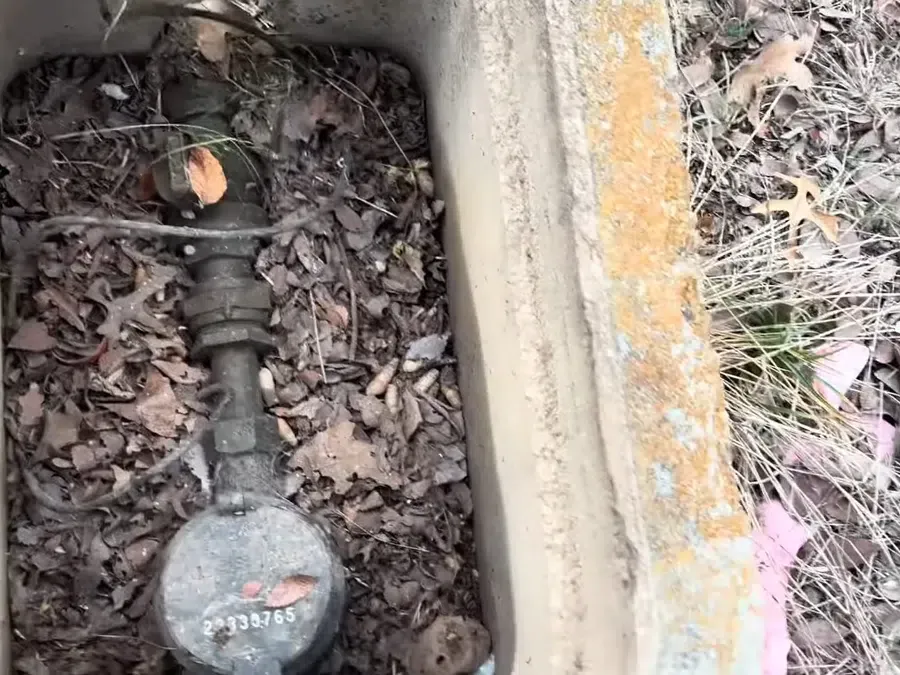
- Meter box full of water: a leak at the meter connection, or runoff entering the box.
- Soggy lawn strip in dry weather: a leak along the line, often between the box and the foundation.
- Pressure drops at every tap: a major leak, a partly closed valve or a failing regulator.
- Bubbles through concrete, seepage or a swampy patch: water finding its way up from a leaking line.
- Sudden jump in the bill: check the meter with fixtures off before assuming the worst.
For an after-hours emergency involving a water meter, the City of Longmont says to call Longmont Police Dispatch. The city also replaces residential meters on a scheduled cycle through a maintenance program, so a meter swap on your street does not by itself mean a problem.
Who handles which piece: confirm before you dig
A water service has several pieces between the main and the faucet, and the line between city and owner depends on the utility. Longmont's published guidance on its sewer system puts the service line on the property owner. For the water side, ask Water Utilities where the city's responsibility ends before you assume or dig.
| Piece | What it does | Who to confirm with |
|---|---|---|
| Water main in the street | Carries city water to the block | City Water Utilities |
| Tap and service line | Feeds one property from the main | City first, then your plumber |
| Water meter and meter box | Measures use and holds the shutoff | City, which services meters |
| Main shutoff valve | Stops all water to the house | Your plumber, if it sticks or leaks |
| Pressure regulator | Lowers incoming pressure to a safe level | Your plumber |
| Piping inside the house | Distributes water to fixtures | Your plumber |
Reading the layout is a plumber's job, and the city can confirm the rest. A call before work saves a dispute about who pays for what.
Water pooling over the line?
Close the shutoff if you can reach it safely, then call. A visit can trace the line and point to the failed piece.
Locating the line before any digging starts
Colorado law requires a call to Colorado 811 before you dig, even for a small hole. Both Colorado 811 and the City of Longmont say to make the request at least three business days ahead, by phone at 811 or online. Utility owners then mark their buried facilities.
That service covers public utilities. A private line, such as a branch to a shed or a yard hydrant, is not marked by the utilities, and Colorado 811 points to private locate companies for those. Marks last 30 days or until they fade, and fresh marks are needed if they are lost.
Repair, replace or sleeve the line
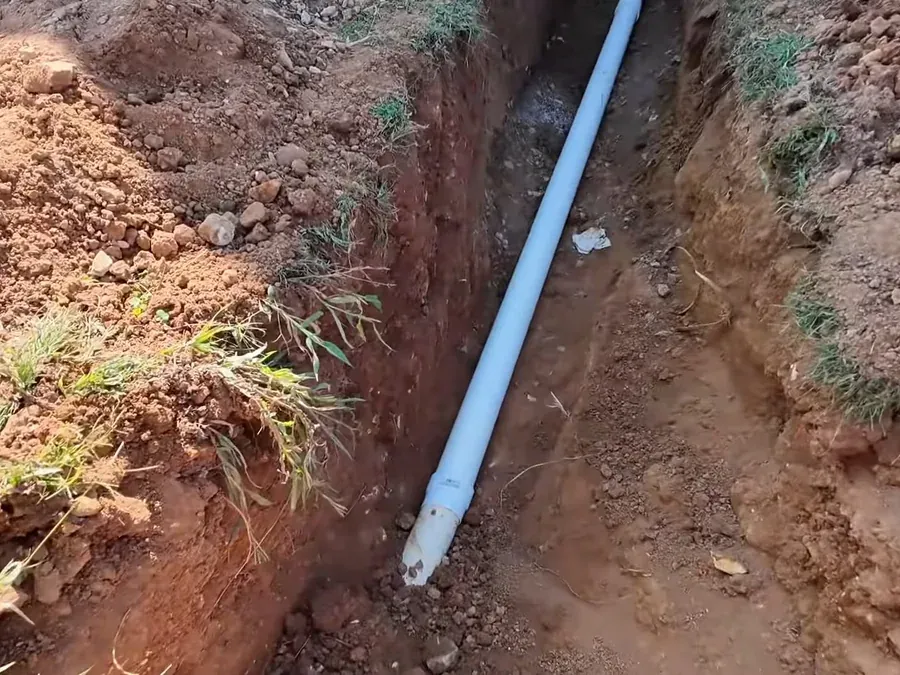
Repair makes sense for one failure in sound pipe. Replacement makes sense when the line has failed more than once or is made of a material that is wearing out. The options are an open trench, a trenchless method that pulls a new line through the old path, or a partial replacement from the meter box to the foundation.
One local question is lead. The City of Longmont's 2025 water quality report states that all water service lines in the city can be classified as non-lead, following an inventory finished in 2024. So the reason to replace a line here is wear and leaks, not lead.
High or low water pressure and the pressure regulator
Plumbing codes set a common ceiling of 80 pounds per square inch. Where the pressure from the utility main goes above that, the code calls for a pressure reducing valve on the supply line. Sustained pressure above 80 psi can damage water heaters, toilets, faucets, dishwashers and washing machines.
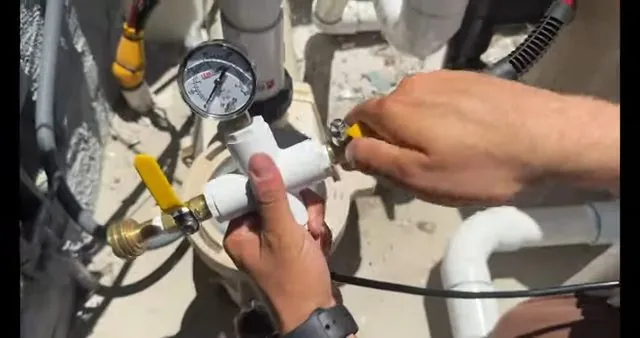
The City of Longmont's water quality report does not state typical household pressure, so a gauge on an outdoor hose connection is the reliable way to know yours. High readings point to a failing or missing regulator, and a plumber can test and replace it. A running toilet, a banging pipe and a dripping relief valve can all trace back to high pressure.
Low pressure has more causes. A partly closed main valve, a clogged regulator, a corroded service line or a leak all reduce it. Check whether it affects one fixture or all of them before calling, since a single weak tap is usually a local fixture problem, covered on the fixture repair page.
Pressure swinging high or low?
A short test with a gauge tells a plumber whether the regulator, the line or one fixture is at fault.
Shutoff valves and testing the line
A main shutoff that will not close is a hidden hazard, since it is the first thing you reach for in a burst pipe. Old gate valves seize with age, and a stiff valve can break when forced. Replacing it during a planned visit costs less than doing it mid-flood. Exercise the valve gently once or twice a year and note which way it turns.
When the work is done, the new line is pressure tested, which means holding it under pressure and watching for any drop. The test catches a poor joint before the trench is filled in, and it is part of why a repaired line is reliable.
Yard drainage is a separate question. A requested yard drain cleaning belongs with drainage work and the drain cleaning page covers the household side, but grading and exterior drainage are not part of water line repair.
Same-day water line repairs
A leaking service line can be shut off at the meter or the main valve while a visit is arranged. Calls are answered at any hour, and a visit the same day can be booked when a slot is open.
City and state sources behind this page
- City of Longmont, water meter maintenance program (after-hours contact)
- City of Longmont, meter replacement news
- City of Longmont, sewer lines and service line ownership
- City of Longmont, call before you dig
- Colorado 811, requests and private lines
- City of Longmont, drinking water quality report for 2025 (lead inventory)
- IRC section P2903.3.1, maximum water pressure
- City of Riverside, pressure reducing valve questions
Water line or shutoff trouble?
Describe the wet spot or the pressure by phone. The dispatcher can send a plumber who serves your area to trace the line.
- Licensed and insured plumbers
- Same-day service when available
- 24/7 emergency dispatch