
24/7 Emergency Line Open
Water Damage in Longmont: Extraction, Drying and Mold Checks
Wet drywall, carpet and framing need attention within a day or two. This page covers pulling the water out, drying what can be saved and checking for mold, which is the work a water damage visit does.
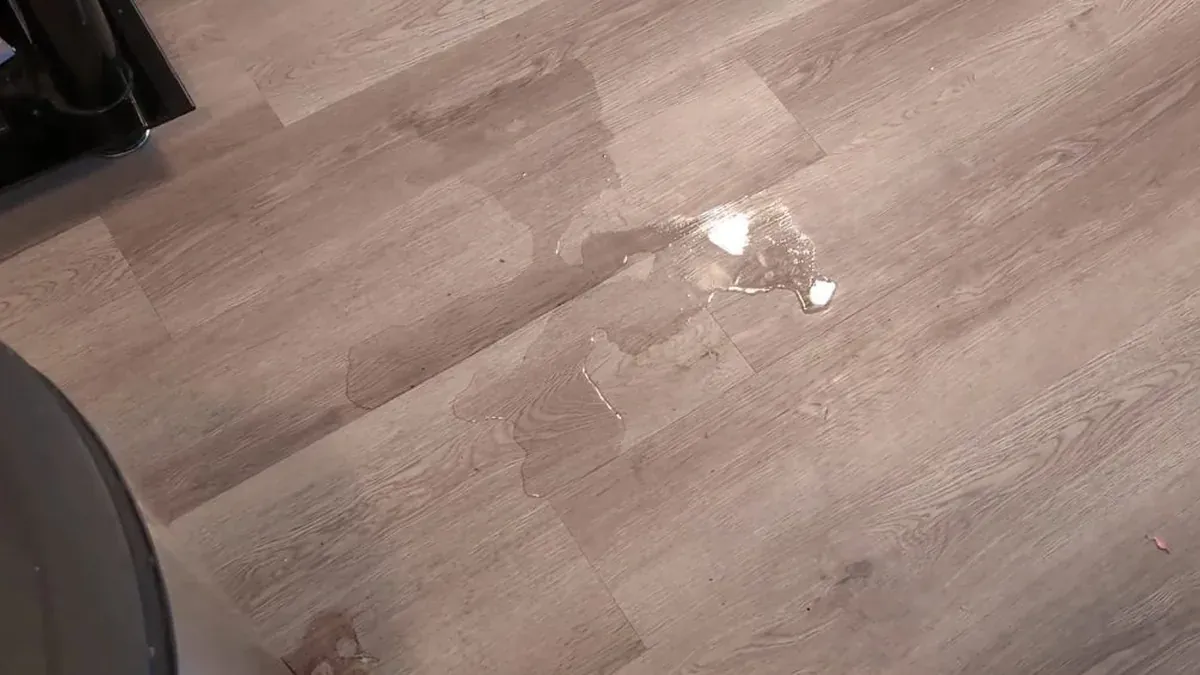
- Licensed and insured plumbers
- Same-day service when available
- 24/7 emergency dispatch
Water is coming in: the first hour
The first job is to stop the source. Close the main shutoff for a plumbing leak, and cut power to a wet room at the panel only when the floor around the panel is dry. Then move what you can out of the wet area and photograph everything before cleanup starts.
- Stop the water at its source, the main valve for a burst or leaking line.
- Keep clear of wet outlets, appliances and anything plugged in.
- Lift furniture, boxes and rugs off wet floors, and set valuables on dry high ground.
- Photograph and video the damage, including the water line on walls and the wet contents.
- Open windows for air if the weather allows, and run fans only when the water is clean.
The repiping page covers the pipe side of a burst, while the buried line behind a backup is on the sewer line page. This page picks up once the water is loose in the building.
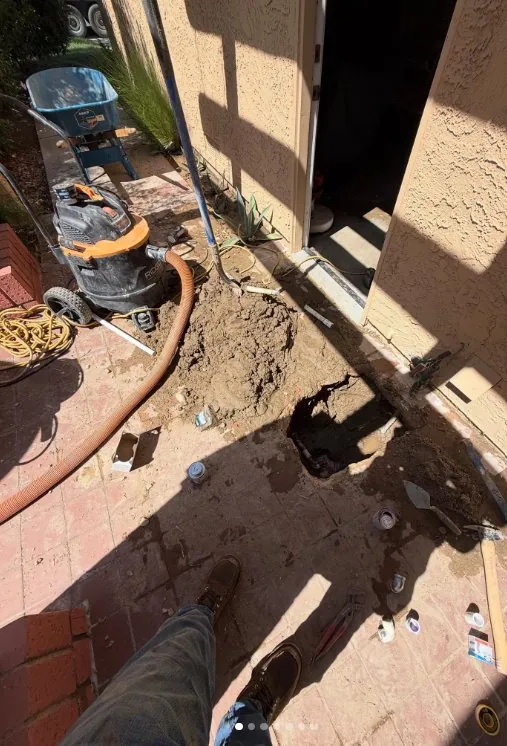
The 24 to 48 hour window and what each material needs
The EPA's guidance is that wet or damp materials dried within 24 to 48 hours usually do not grow mold. The agency calls it a guideline, since growth does not always start at 48 hours, and its tables cover clean water damage only. Speed matters most, which is why a visit the same day beats one later in the week.
| Material | Typical response | Notes |
|---|---|---|
| Carpet and pad | Extract water, lift the carpet and pad, dry them with air movers and a dehumidifier | Pad is often discarded; wet vacuums work only while materials are wet |
| Drywall | Check swelling and seams, dry in place or cut out and replace | Drying in place can work for clean water caught early |
| Hardwood and wood framing | Remove moisture at once, then use fans, dehumidifiers and gentle heat | Gentle heat only, since fast drying can warp floors |
| Books and papers | Discard, copy or freeze valuable items | Freezing holds them until a specialist can help |
| Drapes and fabric | Follow the maker's cleaning directions | Contaminated fabric is discarded |
| Insulation | Wet cellulose and fiberglass usually come out | Check behind walls before closing them up |
Visible water lines rarely show how far moisture has traveled. Moisture spreads upward in drywall, so cuts are made above the damp area, not at the stain. A meter reading, not the eye, tells the dryer where wet material ends.
Water on the floor right now?
Call the water damage line. Say where the water came from and how long it has been there, and a visit can be arranged.
Extraction, air movers and dehumidifiers: how drying works
Standing water comes out first with extraction equipment, since removing it is faster than evaporating it. After that, air movers push dry air across wet surfaces, and dehumidifiers pull the moisture out of the room air so it does not settle elsewhere. The three work together, and fans alone in a closed, humid room do little.
Professionals track the drying with a moisture map, recording readings at set points and returning to take new ones. The ideal moisture content is the level the same material had before the event, and drying is finished when readings reach that benchmark. Equipment that runs for a day and leaves wet framing behind is the usual source of later mold.
- Extraction: removes standing water and pulls moisture from carpet.
- Air movers: speed evaporation from floors, walls and cabinet bases.
- Dehumidifiers: lower humidity so moisture leaves materials and stays out.
- Moisture meters: show hidden dampness inside walls and floors.
- Daily checks: confirm readings are falling before equipment comes out.
What happens on a water damage visit
A job follows a set order, and each step feeds the next.
- Assessment: find the source and map wet materials with a moisture meter.
- Safety check: decide whether the water is clean or contaminated.
- Extraction: remove standing water from floors and carpet.
- Removal: take out materials that cannot be dried, such as soaked pad or insulation.
- Drying: run air movers and dehumidifiers and take daily readings.
- Mold check: inspect where odors or long wet times call for it.
- Documentation: keep photos and drying logs for the insurance claim.
The water can come from leaky pipes, a failed water heater, a slab leak, a roof or a storm. Pipe and heater failures connect to the leak detection page, the slab leak page and the water heater repair page. Storm, river and rain flooding follow the same drying steps, and the city's report on the 2013 flood notes that heavy rain caused St. Vrain Creek to flood, a reminder of how fast a basement or crawl space can fill.
Basements, floods and the 2013 lesson
Longmont knows what widespread water damage looks like. The city's own report on the September 2013 flood says nearly 2,000 homes were damaged or destroyed, along with heavy damage to city infrastructure. Basements took much of it, because water and sewage back up into the lowest level first.
For a flooded basement, the sequence is extraction, removal of wet contents and materials that cannot be dried, and structural drying. A sump pump that failed or was overwhelmed is covered in its own section on the drain cleaning page. Waterproofing a foundation or regrading outside is a different trade, so it is not part of a drying visit.
Sewage backups and contaminated water
Water that has touched sewage is treated differently. EPA guidance says to call a professional with experience in buildings damaged by contaminated water. Porous materials that soaked it up, such as carpet and ceiling tile, are usually discarded, and fans are held back until the water is known to be clean.
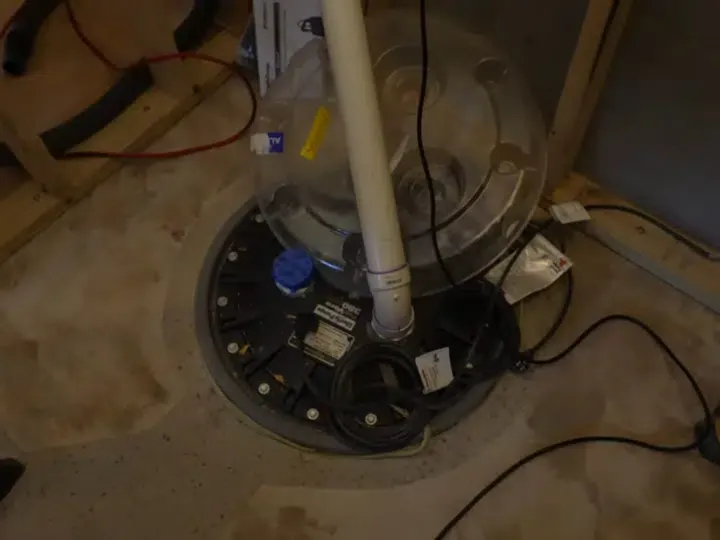
Mold testing, inspection and removal
Mold follows moisture, and the EPA says the key to controlling it is controlling moisture. Once a material has been wet more than two days, or a musty smell shows up, an inspection is reasonable. A visual check with a moisture meter is the usual first step.
| Step | What it involves | What the EPA says |
|---|---|---|
| Inspect | Look at walls, floors and hidden spaces with a moisture meter | Hidden mold is suspected when there is a smell but nothing visible |
| Test | Surface or air sampling where a visual check leaves questions | Sampling is rarely needed when mold is visible, and no federal limits exist for spores |
| Remove | Clean hard surfaces, discard porous materials that are moldy | Scrub hard surfaces with detergent and water, then dry completely |
| Fix the cause | Repair the leak and finish drying | Cleanup is not finished until the moisture problem is fixed |
Testing is offered where it helps, such as confirming that a cleaned area is clear. Sampling should be done by someone with experience designing it and reading the results, because a number on its own proves little. For small patches under about 10 square feet, health agencies say owners can usually handle cleanup with an N95 respirator, long gloves and goggles. Larger areas call for a qualified remediation contractor.
Unpleasant odors after water damage usually come from damp materials left in place, so the smell fades once drying and cleanup are finished. Bleach is not recommended as a routine biocide for cleanup, and painting over mold makes it peel. Dried and cleaned surfaces matter more than any spray.
Musty smell after a leak?
Call the water damage line to book a moisture check and an inspection for hidden mold.
Insurance claims, loss records and shared buildings
Before throwing anything away, photograph it and list it. Keep receipts for emergency repairs, and ask the insurer what it needs before discarding damaged items. Written drying logs with dates and readings help show that the work was done and when.
Renters, condo owners and tenants in shared buildings have an added question, which is who owns the failed part. A leak from a unit above, a shared supply line or a roof does not always sit with the person whose floor is wet. Photos and the time the water appeared help sort that out, and the building manager or association is usually the first call.
Water that comes from the roof, an ice dam, a window or an appliance is real water damage, even though no pipe failed. The drying is the same, and the source is repaired by the trade that owns it. Commercial properties follow the same drying steps, with added attention to tenants and lease terms, covered on the commercial plumbing page.
What this service does not cover
This page stops at removal and drying. Damage from fire, smoke or soot and rebuilding after a loss belong to other contractors, and your insurer can point you to a restoration firm for them.
Same-day water damage response
The water damage line takes calls day and night. A visit the same day is often possible when the water is active, and a time is confirmed by phone after the call.
EPA, city and industry sources
- EPA, mold cleanup and the 24 to 48 hour guideline
- EPA, mold remediation lesson on drying quickly
- EPA, water damage cleanup and mold prevention table
- EPA, brief guide to mold, moisture and your home
- NEHA, responding to indoor mold concerns
- AIHA Synergist, water intrusion and drying research
- BGSU, contaminated water and fan use
- City of Longmont, ten years after the 2013 flood
- City of Longmont, 2013 flood information
Water damage in the building?
Call the water damage line. Tell the dispatcher what is wet and where the water came from.
- Licensed and insured plumbers
- Same-day service when available
- 24/7 emergency dispatch