
24/7 Emergency Line Open
Drain Cleaning in Longmont: Clear Slow, Clogged and Backed-Up Drains
Drain cleaning clears a blockage and shows whether the clog is a one-time event or a sign of trouble deeper in the line. Call, and a plumber serving your area will sort out which.
- Licensed and insured plumbers
- Same-day service when available
- 24/7 emergency dispatch
Snaking, rooting and augering: clearing the clog itself
Drain cleaning is the work of removing whatever is blocking a pipe so water moves again. It suits anyone with a sink that drains in slow motion, a tub that fills at the ankles or a toilet that will not clear. The most common tool is a cable, also called a snake, rooter or auger, that a plumber feeds into the line and rotates until the blockage breaks apart or hooks onto the cable.
A cable works well on hair, soap scum, paper and many grease clogs. It has limits. A cable can punch a hole through a blockage and leave a coating of grease or scale on the pipe wall, which is why some drains clog again within weeks. When a clog returns quickly, the next step is a camera look, not another pass with the same cable.
Fixture clogs and main line clogs call for different handling. A single sink or tub with a problem usually has a blockage in its own branch, while several fixtures failing at once points toward the main drain.
Longmont blocked drains: which fixture tells you where the clog is
Where the water backs up is the strongest clue to where the blockage sits. This table matches common symptoms to likely location.
| What you notice | Where the clog probably is | What to do |
|---|---|---|
| One sink or tub drains slowly | Branch line or trap of that fixture | Try a plunger once; call if it returns |
| Toilet bubbles when the washer drains | Main drain downstream of the bathroom | Stop using water and call |
| Several fixtures drain slowly together | Main drain or the sewer service line | Call before the lowest drain backs up |
| Lowest drain in the house gurgles or overflows | Main drain or service line is blocked | Stop all water use and call right away |
| Smell comes up with no visible clog | Dry trap, vent or a buildup in the line | Run water into rarely used drains, then call if it persists |
Sluggish drains, or a backup while water is running, can point to a blockage in the service line or in the city main, the City of Longmont says, and the city sends workers to check. Who owns which section is a bigger question and is covered under sewer line repair and replacement.
Water standing in the tub or toilet?
Tell the dispatcher which fixtures are affected, and ask what to leave alone until a plumber arrives.
Hydro jetting: is it the right tool for your drain?
Hydro jetting sends water through the pipe at high pressure to scour the walls clean instead of poking a hole through the clog. It is aimed at grease, scale and soft buildup, and at lines that clog again soon after a cable visit. It also reaches farther down a long line than a cable does.
Jetting is not for every pipe. A plumber who has put a camera in the line first can tell whether the pipe walls will take the pressure and whether roots, a crack or an offset joint need a different fix. Ask to see what the camera found before a jetting visit begins, and ask what the plumber would do if the picture showed something other than grease.
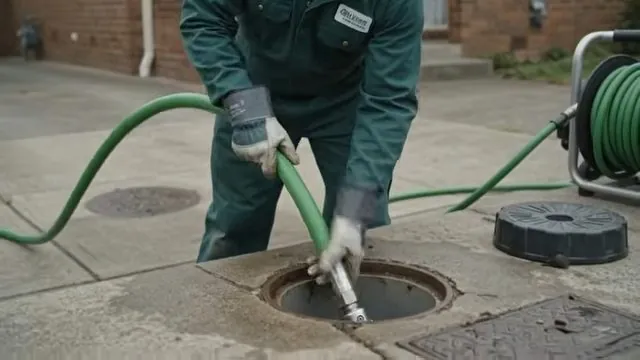
Cable, jetting or camera first?
- Cable: a single fixture with a fresh clog
- Camera: a clog that keeps returning, or any smell or sound with no visible cause
- Jetting: grease or scale buildup confirmed by the camera
Drain pipe repair and cast iron: when cleaning stops being enough
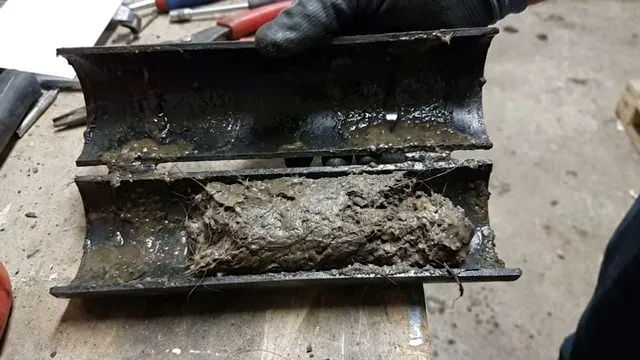
Old drain pipe wears out from the inside. Cast iron develops rough scale that catches debris, and eventually it can crack, split at a joint or corrode through. Signs that a clog is really a pipe problem include repeat clogs in the same line, rust-colored flakes in the clean-out water, a damp spot near the pipe and a sewage smell with nothing visibly wrong.
Repair choices depend on how long the damaged stretch is. A short failure can be cut out and replaced, and a longer stretch may call for replacing the run or lining it. Where the damage is outside the building, the same question is answered under sewer line repair.
Roots, odors and what a camera shows
Tree roots follow moisture into joints and grow into the line. The City of Longmont says city workers sometimes see roots running from private service lines into the city main, and advises removing them early. A camera shows whether roots, a crack or a belly in the pipe is behind a recurring clog. Persistent drain odors that return after cleaning are another reason to look with a camera, since the cause may be a dry trap, a venting problem or a buildup the cable missed.
A drain cleaning visit, step by step
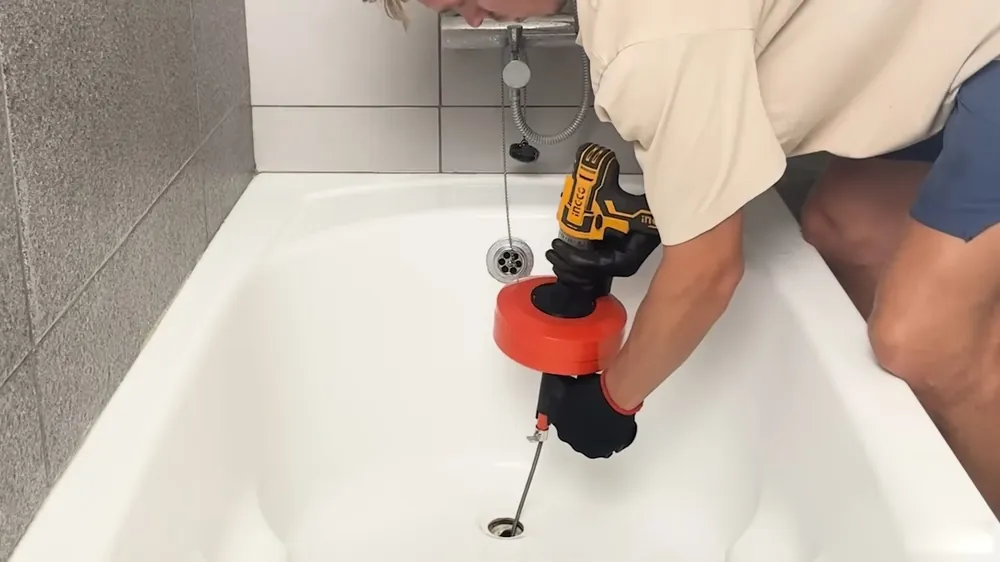
Each visit starts with the same question: what is blocked, and how do you know? Everything after that follows the answer.
- The plumber asks which fixtures are slow, how long it has been happening and what has gone down the drain recently.
- The affected fixture is tested and the nearest cleanout or access point is located. The City of Longmont recommends knowing where your sewer cleanout is, because it gives direct access to the private line.
- A cable or jetting hose is run through the line. A camera can be added when the cause is not obvious.
- Water is run through the line again to confirm that it drains freely.
- The plumber explains what was found and whether the clog is likely to come back.
Some clogs are in a single fixture, and the details differ by room. Kitchen sinks collect grease and food scraps, so avoid pouring fat down the drain and keep greasy scraps out of the disposal. Bathtub and shower drains catch hair and soap scum in the trap. Toilets clog on wipes and paper products, and a toilet that clogs repeatedly may have a blockage farther down the line. The same logic covers floor drains in a basement or garage, which can back up when a line downstream is full.
A clog that keeps coming back deserves a look inside the pipe
Ask for a camera check on the next visit, and a plumber serving your area can show you what the line looks like before anyone suggests a fix.
Keep these out of the drains
The City of Longmont asks residents to flush only toilet paper and human waste. The city lists items that cause blockages and sewer backups:
- Wet wipes, including ones labeled flushable
- Paper towels, tissues and rags
- Cotton swabs, dental floss and bandages
- Diapers and sanitary products
- Cat litter and cigarette butts
- Grease and meat drippings, which belong in a container in the trash
Restaurants and other food businesses have extra responsibilities. The city expects grease interceptors and sand traps to be cleaned regularly, and city code Section 14.08.415 sets management practices for food service. Commercial plumbing covers drain and grease work for those buildings.
Yard drainage, French drains and storm drains sit outside the scope of this page, and sprinkler lines are also a separate trade. A contractor who handles exterior drainage or irrigation is the right call for those.
Sump pumps and basement water
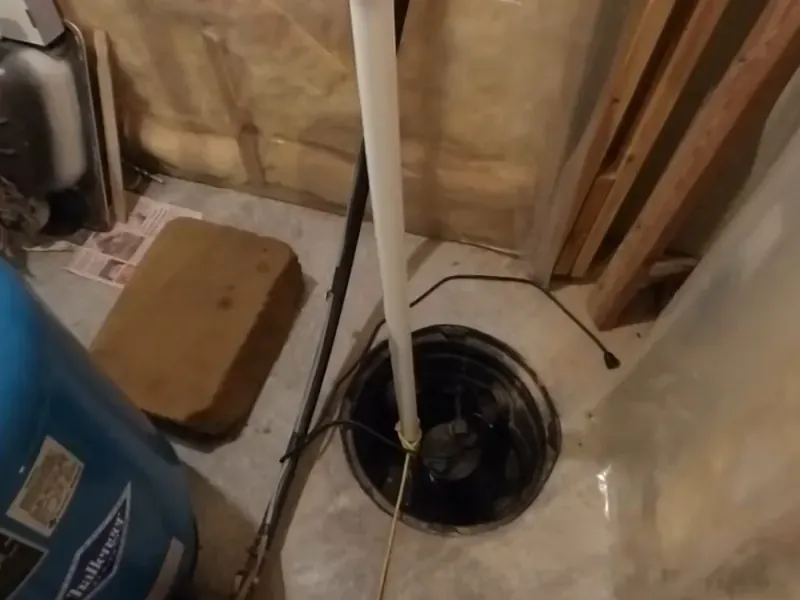
Basement water is not a clog, but it often gets reported the same way. The City of Longmont explains that a perimeter drain, a system of perforated pipes around the foundation, collects water and delivers it to a sump pump or drains it away from the house. The pump usually runs only when the groundwater table is high, after years of neighborhood watering or very heavy rain.
The city lists signs worth acting on: a pump that runs constantly, a slimy or algae-covered discharge area, and a basement with wet walls or flooding but no pump at all. A home can also have a sump pit with no pump in it, and the city advises having a professional install the pump if one is needed.
Two local rules matter. Sump pumps cannot connect to the sanitary sewer in Longmont, and a connection to the storm sewer at the owner's expense needs a Right-of-Way Permit from the city. A sewage ejector pump is a different machine that lifts wastewater from a below-grade bathroom, and it is not what this section covers.
City documents behind this page
Slow drain today, flooded floor tomorrow?
Choosing between a quick clear and a deeper look at the line is a conversation to have with the plumber who arrives.
- Licensed and insured plumbers
- Same-day service when available
- 24/7 emergency dispatch