
24/7 Emergency Line Open
Water Heater Repair in Longmont: Cold Showers, Leaks and Noise
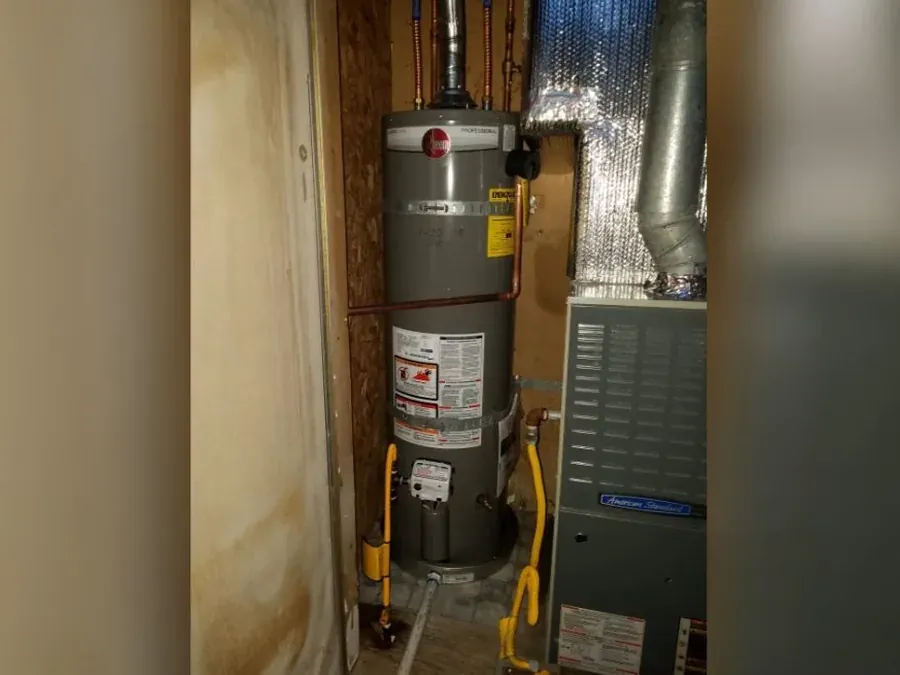
Water heater repair starts with the symptom: cold water, a puddle or a rumble each point to a different part. A plumber serving your area can tell you whether the unit is worth keeping.
- Licensed and insured plumbers
- Same-day service when available
- 24/7 emergency dispatch
Gas or electric: the symptom shows which part has failed
Most tank water heaters fail in a short list of ways, and the fuel type decides which part to suspect. The same cold shower can mean a dead element in an electric unit or a flame that will not stay lit in a gas one.
| Symptom | Gas tank | Electric tank |
|---|---|---|
| No hot water at all | Pilot or igniter will not light, gas valve or thermocouple fault | Tripped breaker, failed thermostat or both elements dead |
| Lukewarm water | Burner partly clogged, thermostat set low, sediment on the bottom | One of two elements failed, or a thermostat out of calibration |
| Hot water runs out fast | Sediment, a broken dip tube or a burner problem | A failed lower element, which leaves only the upper half of the tank heated |
| Rumbling or popping | Sediment hardened under the burner | Sediment burning on the elements |
| Smell of gas | Leave the house and call; do not relight anything | Not applicable |
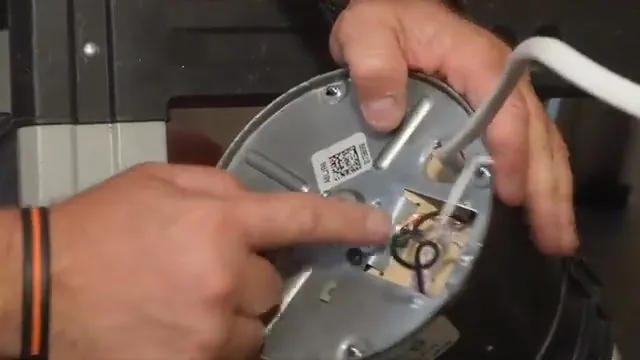
Undersink and small point-of-use heaters follow the same logic. A tiny tank under a sink has an element and a thermostat just like a full-size unit, and the same symptoms apply.
No hot water or lukewarm water: what to check before you call
A few checks take minutes and sometimes save a visit. Stop if anything smells of gas or if you find water on the floor around the unit.
- Look at the thermostat setting and confirm the dial has not been bumped.
- On an electric unit, check the breaker in the panel and reset it once. A breaker that trips again is a fault, not a nuisance.
- On a gas unit, see whether the pilot light is on. Follow the instructions on the label if you relight it, and stop if the flame will not stay lit.
- Run a hot tap for a few minutes. If the water starts hot and fades quickly, sediment or a failed lower element is a likely cause.
- Look at the base of the tank and the connections for moisture.
If none of this restores heat, the cause is usually a part that needs a plumber: a thermostat, a heating element, a thermocouple or a gas valve. These are routine repairs on a tank in otherwise good shape, and the unit's age decides whether the repair is worth making.
Leaking tank or leaking fitting?
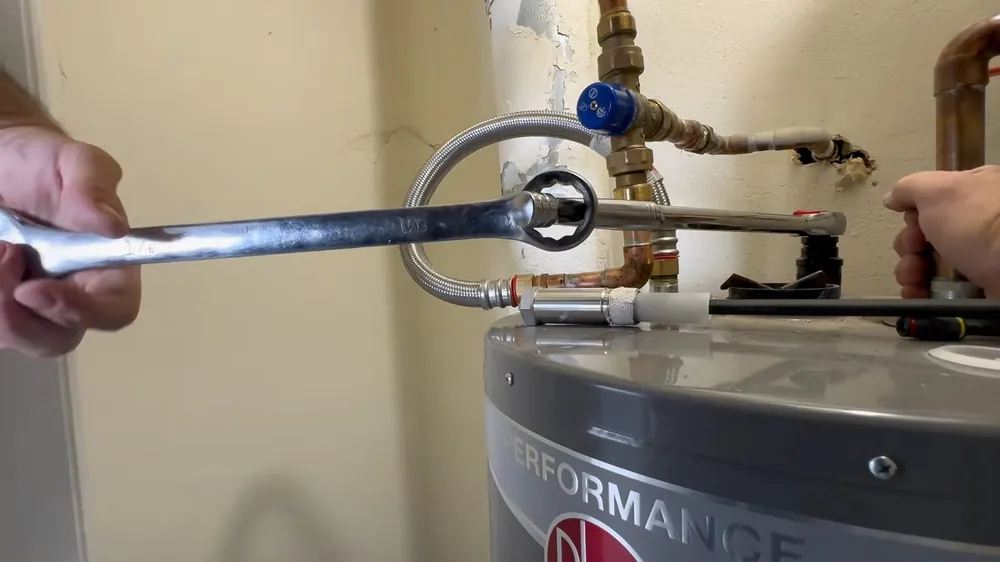
Where the water comes from decides the outcome. A leak at a fitting, a drain valve or the temperature and pressure relief valve can often be repaired. A leak from the tank body itself is a failed vessel, and the tank has to be replaced.
| Where the water shows | Likely cause | Repair or replace |
|---|---|---|
| Pipe connections on top | Loose or worn fitting | Repair |
| Drain valve at the bottom | Worn valve | Repair |
| Discharge pipe from the relief valve | Excess pressure, or a thermal expansion problem | Repair, often with an expansion tank |
| Seeping from the tank shell or base | Corroded tank | Replace |
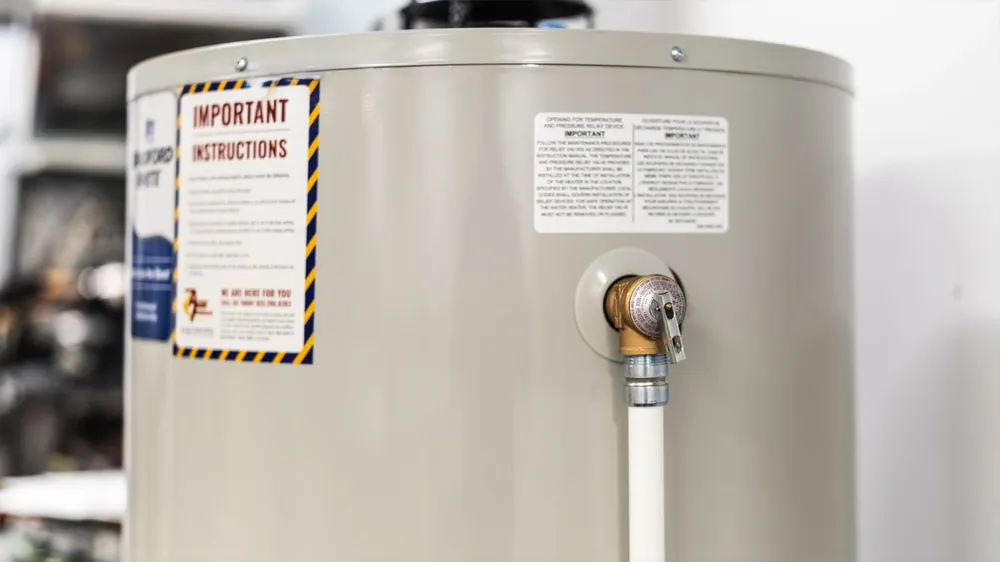
Manufacturer guidance says drips from the relief valve discharge pipe usually mean a thermal expansion tank is needed or the water pressure is too high. The relief valve is a safety device, and a National Board safety guide explains that it opens to relieve excessive temperature or pressure and prevent an explosion. Do not cap it or plug it, even if it drips.
If the tank itself is leaking, shut off the water supply to the heater, switch off the power or set the gas valve to off, and drain what you can safely reach. Flooding from a failed tank is covered under water damage restoration, which handles removal and drying. When the tank is the problem, the next step is the water heater replacement page, where the City of Longmont's permit requirement applies.
Water on the floor under the tank?
Shut off the supply first. A plumber serving your area can be sent when one is available, and the dispatcher will tell you what to do while you wait.
Sediment, flushing and what Longmont's soft water changes
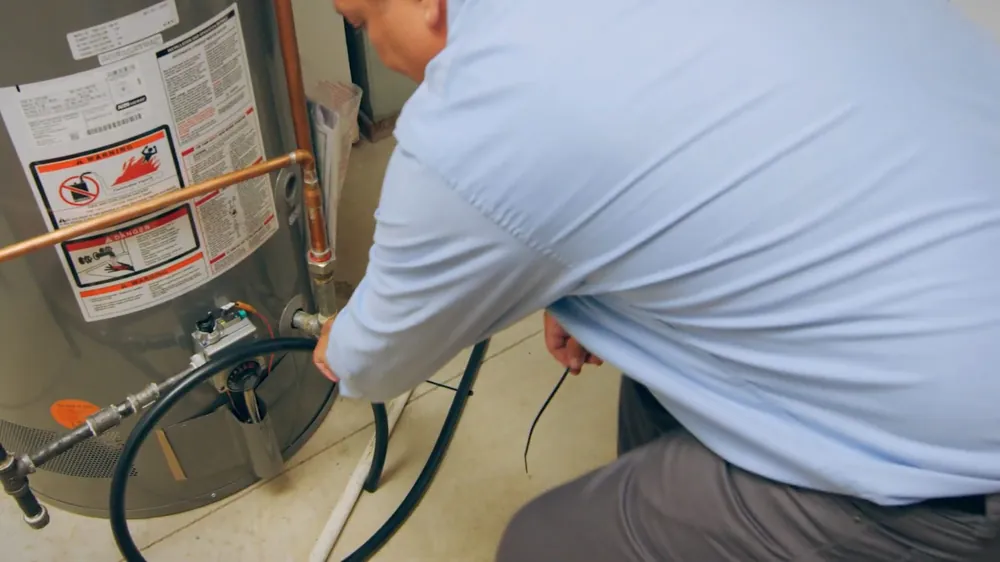
Sediment is mineral and debris that settles at the bottom of a tank, where it insulates the water from the burner or element. Water heater makers recommend an annual flush, plus a check of the relief valve and the sacrificial anode rod, a metal rod that corrodes first so the tank does not. A flush connects a hose to the drain valve and runs water until it clears.
Local water changes how urgent this is. Longmont's 2025 water quality report puts total hardness at 19 to 25 parts per million, which makes the water soft. Hard water leaves scale on elements and tank bottoms, and soft water leaves less, so scale is a smaller worry here than in harder-water towns. Sediment still collects, and old tanks keep accumulating it, so the annual check still applies.
Testing the relief valve carries some risk on an old unit, since the valve can fail to reseat afterward. If you are unsure, ask a plumber to do it during a service visit.
A cold shower is not the only sign of a failing tank
Rust-colored water, popping sounds and a damp base all deserve attention. The dispatcher can tell you which of them can wait for a scheduled visit.
Noise, pilot lights and other quick signs
Many small signs are worth a look before the heater fails. This list pairs each with its usual cause.
- Popping or rumbling: sediment is trapped under water that boils at the bottom of the tank.
- Pilot light keeps going out: a worn thermocouple, a draft or a gas supply problem.
- Rusty or discolored hot water: corrosion inside the tank, often tied to a depleted anode rod.
- Thermostat won't hold temperature: a failed thermostat or a bad element.
- Hissing or sizzling: water dripping onto a hot surface, or sediment boiling.
Repair or replace: the decision list
Repair makes sense when the tank is sound and a part has failed. Replacement makes sense when the tank has started to leak, when repairs keep returning or when the unit is old and still failing. The manufacture date is on the label and is the starting point for judging age. Ask the plumber how many repairs the unit has had, what the current problem would cost to fix compared with replacing the tank, and what hot water demand your household has.
Same-day service and emergency repairs
A cold morning without hot water feels like an emergency, and a leaking tank is one. Dispatch answers around the clock. Visits the same day are possible when the schedule allows, with no promised arrival time, and what is open for your address comes from the dispatcher.
Manufacturer, city and state sources
Cold water or a puddle by the tank?
A plumber serving your area will diagnose the heater and tell you whether it is worth repairing.
- Licensed and insured plumbers
- Same-day service when available
- 24/7 emergency dispatch