
24/7 Emergency Line Open
Sewer Line Repair in Longmont: Scope It, Then Repair or Replace
A sewer problem asks you to choose early: repair the line or replace it, now or later. A camera look at the pipe gives the facts, and a plumber serving your area can start there.
- Licensed and insured plumbers
- Same-day service when available
- 24/7 emergency dispatch
Scope the line first: what a sewer camera inspection shows
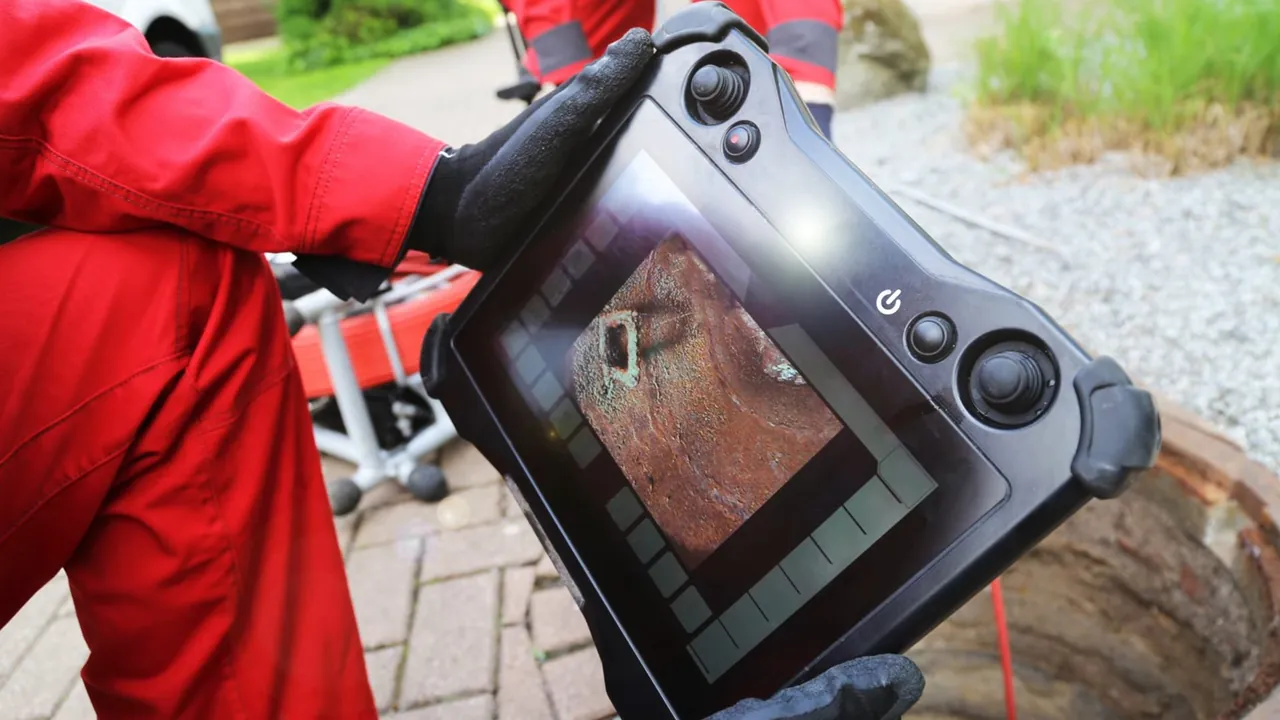
A sewer camera is a small waterproof lens on a flexible rod. A plumber feeds it into the line through a cleanout, and it sends a live picture of the pipe interior. That picture settles the question that decides everything else: is the line blocked, damaged, or both?
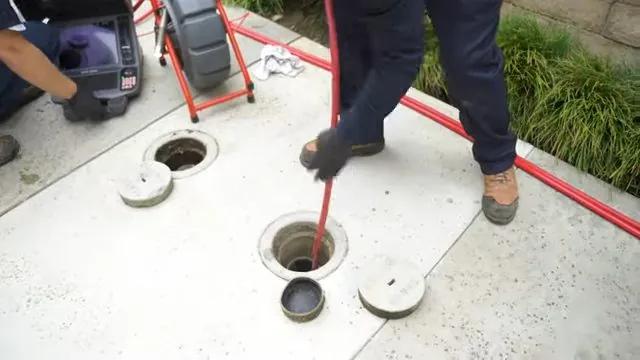
The inspection shows roots, grease buildup, cracks, offset joints, bellies where water pools and collapsed sections. It also records the distance from the cleanout, so a repair can be planned for the exact spot. Ask for the footage or screenshots, since a homeowner who has seen the problem can judge the quote that follows.
A camera inspection also helps in a home sale, where a buyer or seller wants to know the condition of the private line before closing. The same footage can be compared with a later inspection to track wear.
Sewer line replacement: when repair stops making sense
Replacement is the right call when the damage is spread along the line instead of sitting in one spot. Cracks at several joints, a line that has settled into a belly, a collapsed section or repeated root intrusion all point that way. A repair deals with a single failure, and a second failure in the same pipe usually follows if the rest is worn.
| What the camera finds | Usual direction | Reason |
|---|---|---|
| One cracked joint or short break | Spot repair | The rest of the pipe is in working order |
| Roots at one or two joints | Cut the roots, repair or line the joints | Removing roots without sealing the joint lets them return |
| Damage in several places | Replace the affected run | Patching each point adds up and leaves old pipe in place |
| Collapsed or heavily deformed pipe | Replace | The line cannot carry flow, and cleaning will not restore it |
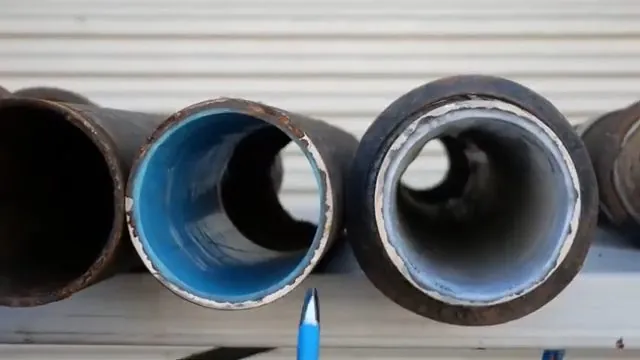
Pipe material matters. Older homes may have cast iron, clay or Orangeburg, a bituminized fiber pipe that tends to deform over time, while newer lines are plastic. A camera often shows what the line is made of.
Sewer cleaning and rooting: when the line just needs clearing
Not every sewer problem needs repair. A blockage from grease, paper or wipes can be cleared with a cable or a jetting hose, and the line may be sound afterward. The test is the camera: if the pipe looks intact, cleaning may be all that is needed, and routine blockages are handled under drain cleaning.
Roots deserve a plan, not just a pass with a cutter. They grow back from the source, so cutting them is a stopgap unless the joint they entered is sealed or the pipe is lined or replaced. During periodic inspections of the main, city workers sometimes spot roots coming from a private service line, and the city recommends removing them as soon as possible.
Sewage coming up in the lowest drain?
Stop using water first. A plumber serving your area can be sent when one is available, and the dispatcher will tell you what to do while you wait.
Who owns the sewer lateral: you or the city?
Under the city's own sewer guidance, the pipe running from the house or business to the main is owned and maintained by the property owner. The main itself, usually in the street, an easement or an alley, belongs to the city. That split matters because the city can clear a plugged main but does not repair the private line.
Property owners also handle cleanup and repair for service line problems, including damage to a street or driveway, according to the city. Plan for that when comparing repair and replacement, since digging across a driveway or street changes the scope of work. A permit for sewer line repair on private property and in the right-of-way appears on the City of Longmont's permit form, so confirm requirements with Building Services before work starts.
If sewage is backing up, report it in this order
- Stop all water use in the house, including flushing and laundry.
- Contact the city to report the problem. On weekdays, call Water Utilities between 8 a.m. and 5 p.m. After hours, call Longmont Police Dispatch, which notifies a utility worker. Give the nature of the problem, your name, address and phone number.
- The city sends workers to check whether the blockage is in the main and clears the main if it is plugged.
- If the problem is in your service line, call a plumber for the camera inspection and repair.
- If a main line problem damaged your property through the service line, file a claim with the city's Risk Management Office.
Roots, grease and structural problems cause most service line clogs, according to the city. A plumber can find your cleanout, which is usually in the yard, if you cannot.
Roots, a belly or a collapsed section?
A camera look settles it. Ask the dispatcher about scheduling an inspection, including after-hours emergencies where sewage is already in the house.
Trenchless, lining or pipe bursting: how can the line be fixed without trenching?
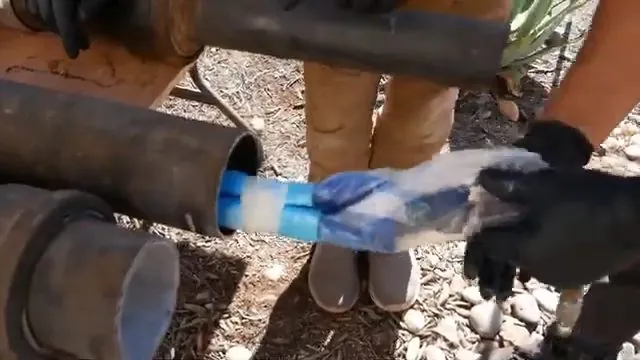
Trenchless methods reduce digging. Pipe lining inserts a resin-coated liner that hardens inside the existing pipe, forming a new surface. Pipe bursting pulls a new pipe through the old one while fracturing it. Both need access at the ends of the run, such as a cleanout and an excavation pit.
| Method | What it does | Limits to ask about |
|---|---|---|
| Lining | Creates a new inner wall inside the old pipe | Needs a pipe that is still structurally in place; sharp offsets or collapsed sections may rule it out |
| Pipe bursting | Replaces the old pipe along the same path | Needs access pits and a path with no obstacles |
| Open trench | Digs the full length and replaces the pipe | More disruption to yards and driveways, with a plain view of the pipe's condition |
Which method fits depends on the pipe's condition, depth and what lies above it. A plumber should explain why a method fits your line, and say what would happen if the camera picture changed once work began.
Sewer repair for a specific failure
When the damage is limited to one spot, a repair can be done by digging at that location and replacing a short section, or by sectional lining where the pipe is otherwise sound. Footage from the camera gives the distance to the problem, which keeps the excavation small.
Sewer smell, cleanouts and sewage in the house
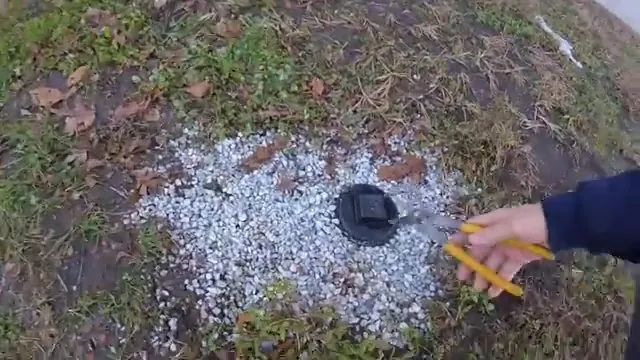
A sewer smell inside or near the house can come from a dry trap, a vent problem or a cracked line, and a camera inspection will separate them. A cleanout is the capped access point on the private line. Knowing where it is saves time during an emergency, and it should stay uncovered and reachable.
When sewage has come into the house, the water carries contamination along with it. Removal and drying of affected materials are handled under water damage restoration, and a plumber can tell you when the line is repaired so cleanup can start without another backup.
Questions to ask before approving a sewer repair
- Can I see the camera footage showing the damage?
- Which methods would work here, and why do you recommend this one?
- Will the work cross a driveway, sidewalk or street, and who handles those permits?
- What happens if the line looks different once the work begins?
Municipal sources for this page
Do not wait on a sewer problem
Describe the backup and which drains are affected, and a plumber serving your area will help you plan the repair.
- Licensed and insured plumbers
- Same-day service when available
- 24/7 emergency dispatch