
24/7 Emergency Line Open
Commercial Plumbing in Longmont: Grease, Code Work and Emergency Repairs
Businesses carry rules a house does not: grease control, permits, state boiler requirements and downtime that costs money. This page covers the plumbing work a Longmont business runs into.
- Licensed and insured plumbers
- Same-day service when available
- 24/7 emergency dispatch
Who needs commercial plumbing, and what changes
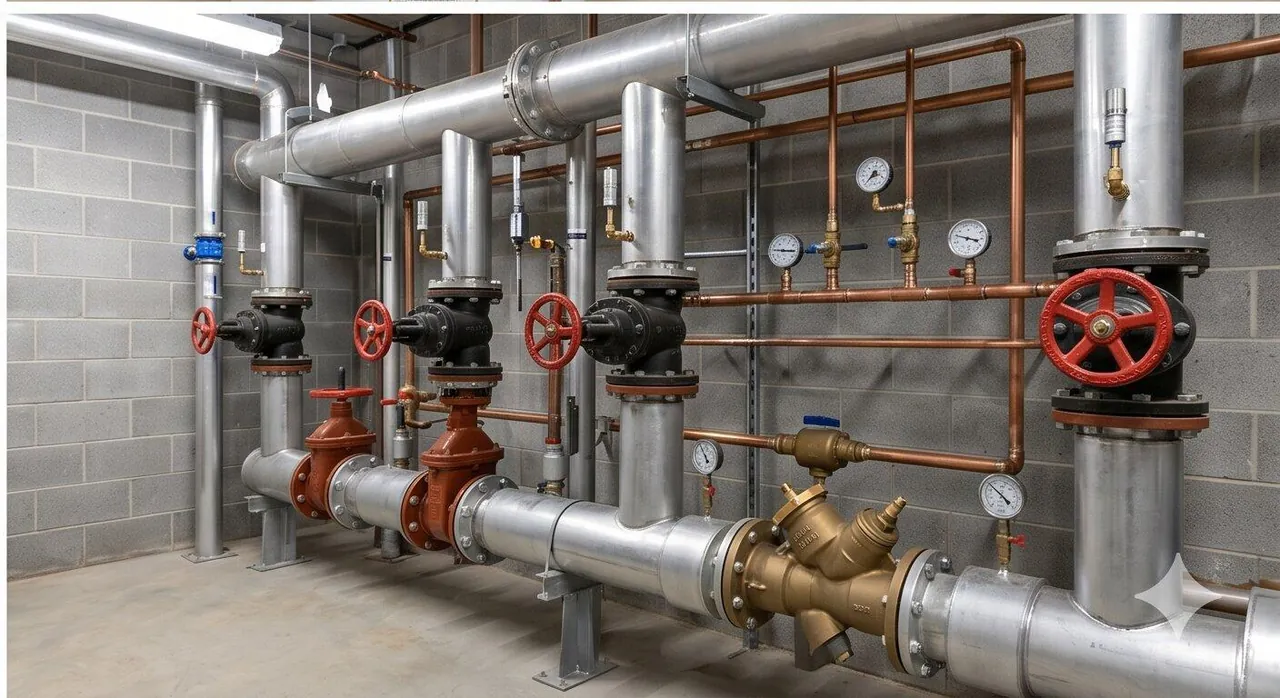
Restaurants, offices, shops, clinics, apartment buildings and light industrial space all share one thing: plumbing that must keep working while customers, tenants or production depend on it. The pipes are the same trade as a home's, but larger loads, shared systems and city rules change the work.
| Property | Common plumbing needs | Extra rule or concern |
|---|---|---|
| Restaurant | Grease interceptor, floor drains, kitchen sinks, water heater | City grease rules and inspections |
| Office or retail | Restrooms, supply lines, a small water heater | Quick repairs outside open hours |
| Multi-family building | Shared risers, many fixtures, a central heater or boiler | State permit for larger systems |
| Light industrial | Process drains, heaters, floor drains | Non-domestic discharge questions |
| Clinic or school | Many fixtures, hot water demand | Code work and scheduled maintenance |
A commercial job often begins with a question about access and timing. When can the plumber work, who has keys, and which fixtures must stay in use. Answering those up front keeps a repair from turning into downtime.
Grease interceptors and the city's rules
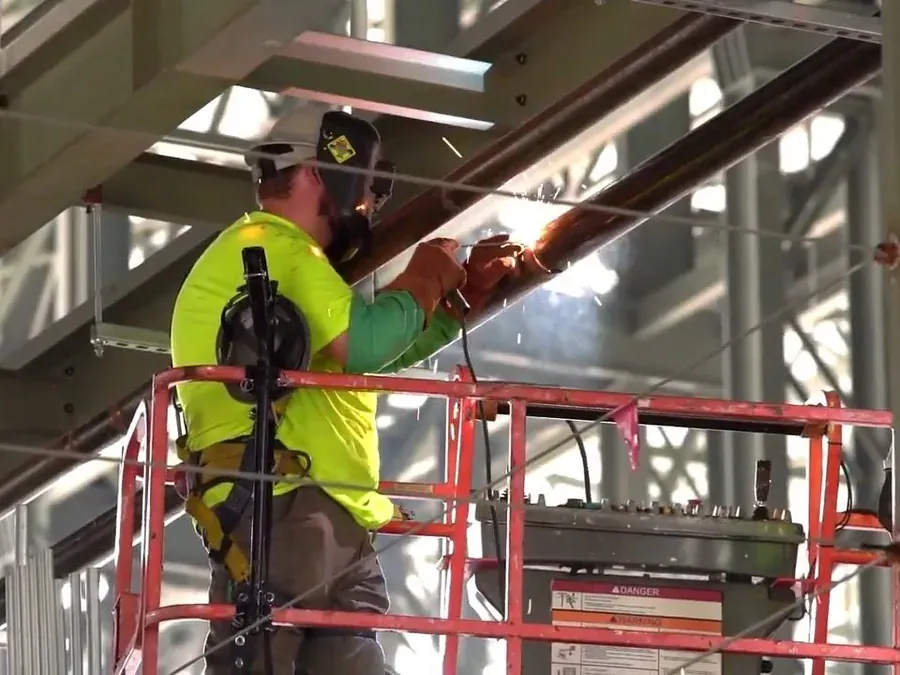
Food service businesses in Longmont fall under the city's grease control ordinance, section 14.08.415 of the municipal code. The city's grease trap page states that grease discharged down the drain causes blockages and sewer overflows, and it asks food service establishments to install a grease interceptor or trap of the proper capacity for the operation.
| Topic | What the city page says | What it means for you |
|---|---|---|
| Capacity | Install an interceptor or trap sized for the operation | Ask the plumber to confirm sizing before ordering |
| Cleaning | Clean it when it is about 25 percent full of solids and grease | Set a schedule based on how fast yours fills |
| Records | Keep the manifest or invoice from a hauler, or a maintenance log | Have records ready for an inspection |
| Contacts | Industrial Pretreatment Coordinator, a water inspector for lateral connections, Building Services for installation | Call 303-651-8416 and ask for the right person |
Skipping cleaning is the usual cause of sewer odors, slow floor drains and fines. Records matter because inspections ask for them. A plumber can set up the cleaning schedule, but the hauler's manifest or your own log is the paper that counts.
Kitchen drains backing up on a busy night?
Say which fixture is slow and for how long. A plumber serving your area can look at the interceptor and the line.
Drains, sewers and the lateral you maintain
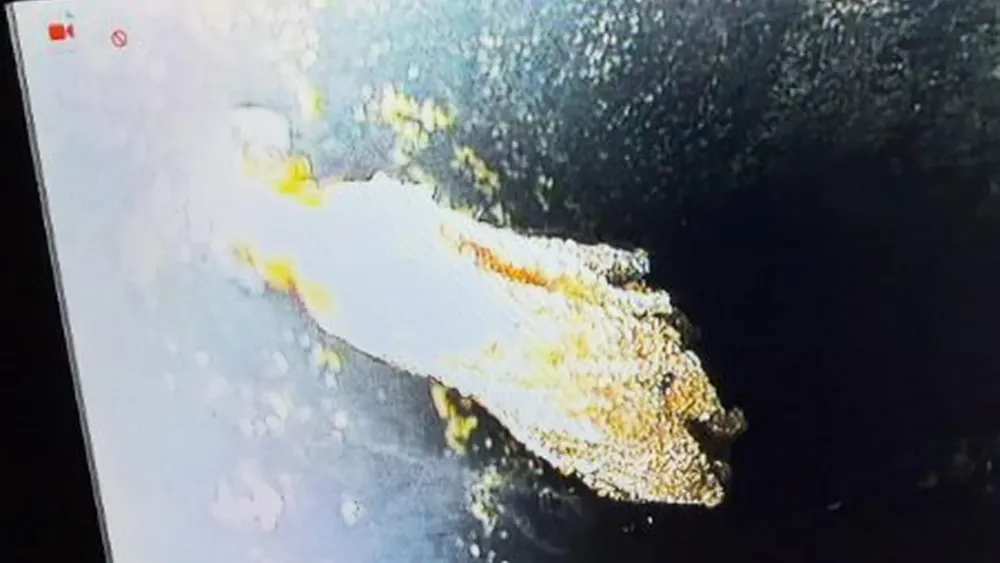
Longmont's sewer page places the service lateral on the property owner, and that includes businesses. A blocked lateral backs sewage into the building at the lowest fixture, usually a floor drain or a basement restroom. Camera inspection shows whether the cause is grease, roots or a broken pipe, and the repair options follow the sewer line page.
Cleaning intervals are worth setting before a blockage forces one. A restaurant with heavy grease might clean drain lines on a regular cycle, while an office with light use may only need a camera check when a problem shows up. The drain cleaning page describes the methods and what each can and cannot clear.
Businesses that discharge anything other than ordinary sanitary waste should talk to the city's Industrial Pretreatment Coordinator before connecting equipment to the drain. That includes wash bays, process tanks and kitchens with unusual wastes.
Water heaters, boilers and the state permit
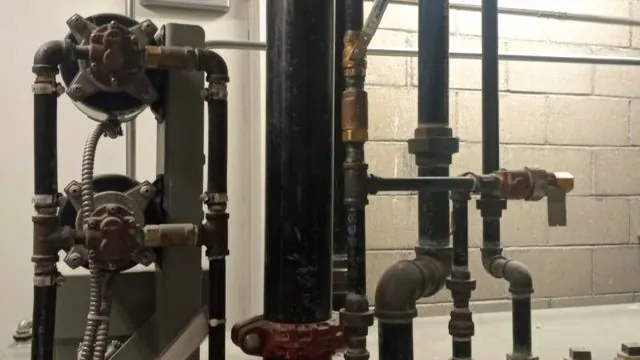
A commercial water heater serves a heavier load than a home unit, and the rules shift with size. The City of Longmont's commercial submittal checklist calls for a state permit and inspection in five cases. Two involve a new boiler or water heater going into a public building or into an apartment building of six or more units. The other three are a water heater of 200,000 BTU per hour or more, one of 120 gallons or more, and one running at 210 degrees or higher.
That language appears in the city's submittal documents, so a business owner planning a replacement should ask the plumber whether a state permit applies before ordering the equipment. Sizing, venting and gas supply follow the same logic as in the installation page, scaled to the load.
- Confirm the input rating and tank size on the nameplate.
- Ask whether the state permit applies and who files it.
- Confirm gas pipe sizing for the larger load, see the {a('gas-line-installation-repair','gas line page')}.
- Plan for downtime and a temporary hot water source if the building needs one.
Water heater or boiler down at your business?
Share the make, the size and whether the building has other hot water. The dispatcher can arrange a visit.
Leaks, slab problems and emergency repairs
Leaks in business buildings cost more than the water. Inventory, flooring and tenants are at stake, so the first step is shutting the supply and calling. Hidden leaks under a slab or inside a wall are found with the methods on the leak detection page and the slab leak page, and drying afterward falls under water damage, which has its own phone line.
For repeating problems, a maintenance visit on a calendar beats an emergency one. Backflow devices, water heaters, interceptors and floor drains all benefit from scheduled checks, and a plumber can propose a cycle that fits how the business uses the space.
Plans, permits and new construction
Longmont's permit page lists all commercial construction among the work that needs a building permit, and it extends that to any change to gas, mechanical or plumbing systems. The city publishes submittal checklists and requirement guides for commercial remodels and tenant improvements, which name the codes in force. A plumber doing tenant work should know which checklist applies and who pulls the permit.

Rebates and business programs
Longmont partners with Efficiency Works to offer business customers direct install upgrades and rebates on toilets and urinals for multi-family buildings and businesses. The program's listings say Longmont commercial water customers are limited to tank toilet, flush valve toilet and urinal incentives. Terms change, so confirm eligibility on the city's water pages before buying fixtures.
Pricing for commercial work depends on the building, so it is quoted per job. The cost page explains what shapes a quote and shows its sources.
Emergency and after-hours commercial service
The dispatch line answers at every hour, and urgent business calls can often get a visit the same day. Say that it is a business and which fixture failed.
City ordinance and program sources
- City of Longmont, grease trap and interceptor requirements
- City of Longmont, sewer lines and owner responsibility
- City of Longmont, commercial submittal checklist with state permit note
- Longmont permit page covering commercial construction
- City of Longmont, commercial remodel submittal guide
- City of Longmont, water pages with business rebate information
- Efficiency Works, commercial water rebates
Business plumbing problem or a code question?
The kind of building and the failed fixture are all the dispatcher needs, and a plumber who serves your area can be sent.
- Licensed and insured plumbers
- Same-day service when available
- 24/7 emergency dispatch