
24/7 Emergency Line Open
Questions Longmont Homeowners Ask Before Calling a Plumber
Thirteen answers on urgency, licences, local rules and what the first call involves. Each one is short enough to read standing at a shutoff valve.
- Licensed and insured plumbers
- Same-day service when available
- 24/7 emergency dispatch
Before the plumber arrives
Can a plumbing problem wait until morning?
It can wait when the water is contained and the house still has a working shutoff. A slow drip under a sink, a toilet that runs, or one sluggish drain fits that description. Put a bucket down, close the fixture valve and book a daytime visit.
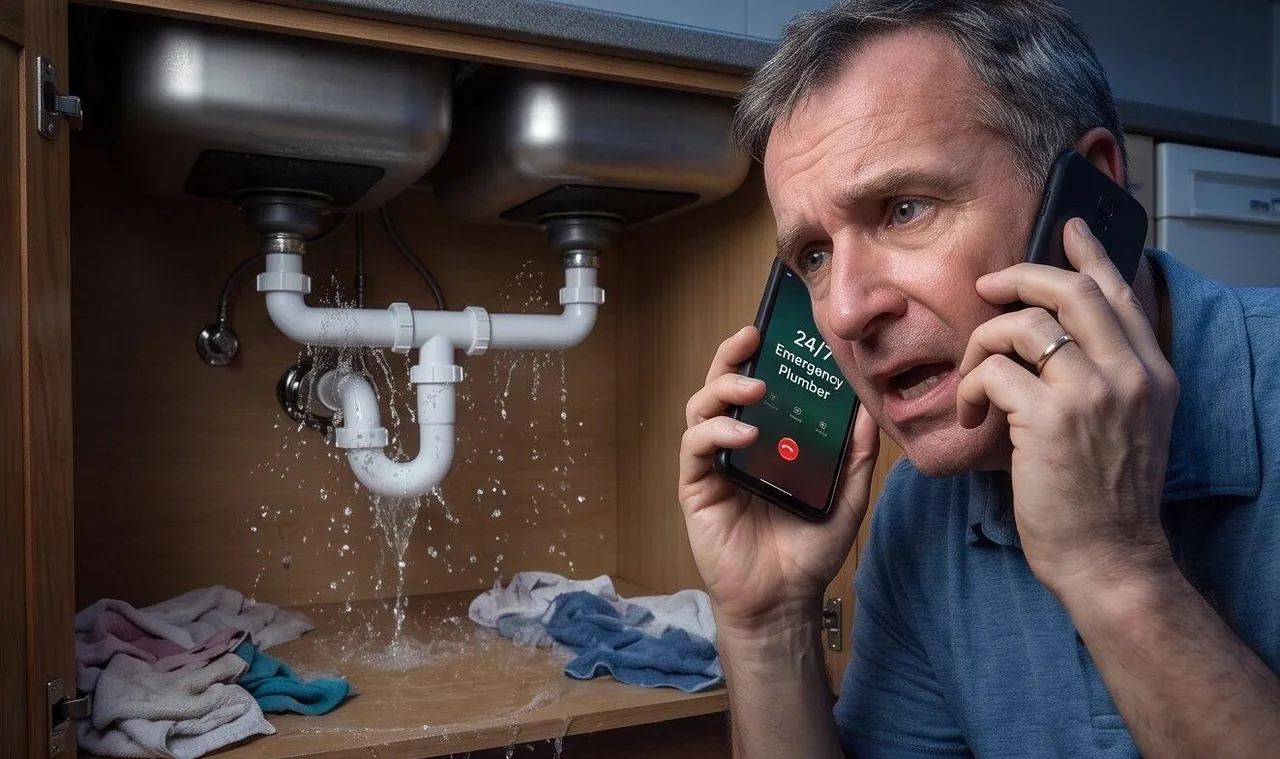
It cannot wait when water is spreading, sewage is backing up, there is no water at all, or a tank is leaking at the base. Shut the main valve and call right away. A gas smell is different again: leave the building and call from outside.
What happens when I call the dispatch line?
The person who picks up wants three things: what you see, where it is and the address. That is all the first minute needs. The dispatcher then says whether the problem is an emergency or fits a scheduled visit, and sends the request to a plumber serving your area.
Recording is covered in one statement; the privacy page has the one statement that applies. No form is involved, and nothing is sent until you have spoken to a person.
What should I have ready before I call?
Longmont publishes guidance that sluggish drains, or backups that appear only when water is running, suggest a fault in the service line. That is worth telling the dispatcher, along with which fixtures are affected. The same few details help on any call.
- Where the water or smell is, and whether it has stopped.
- Which fixtures are slow, and whether they slow together.
- The location of your main shutoff, if you have found it.
- Photos of any stain, leak or data plate on the water heater.
Still unsure whether it is urgent?
Call the line and describe what you see. The dispatcher will say plainly whether it can wait for a scheduled visit.
Act now or schedule: a quick comparison
| What is happening | Act now | Can wait for a visit |
|---|---|---|
| Water | Spreading, or a tank leaking at the base | A single slow drip with a bucket under it |
| Drains | Sewage backing up, or every fixture slow | One sluggish sink |
| Hot water | None, with a wet floor nearby | Lukewarm only, no leak |
| Gas | Any smell: leave and call from outside | A planned new appliance line |
Hiring, repair choices and who calls
How do I check that a plumber is licensed and insured?
Two checks matter. The state side: Colorado licenses plumbers through the State Plumbing Board, and its online licence lookup shows whether a name is active. The insurance side: ask the plumber for proof of coverage before work starts, since the homeowner is responsible for confirming it.
On this site, "licensed and insured plumbers" describes the plumbers who do the work. License details are available on request, and the disclaimer page explains how the business model works.
Which maintenance habits cause more trouble than they prevent?
Four habits show up again and again in plumbing calls.
- Pouring cooking grease down the kitchen drain, where it cools and coats the pipe.
- Running chemical drain openers every time a sink slows, which treats the symptom and can harm older pipes.
- Ignoring a drip or a slow drain until it becomes a flooded cabinet.
- Never turning the main shutoff valve, so it seizes when it is needed.
One caution: never mix drain products, and never use them in a toilet or a fully blocked line.
Should I repair an old fixture or replace it?
Picture a toilet that has been rebuilt twice in three years. Each repair was small on its own, yet the third failure arrives with a stained floor. In that case replacement wins, because the parts are not the problem any more.
The reverse also holds. A faucet with one worn cartridge is a repair, not a replacement. The fixture repair page and the water heater repair page each set out the thresholds for their own equipment.
Does the same dispatch line handle businesses as well as homes?
Yes, and the difference is paperwork, not the phone number. Residential calls start with a symptom. Commercial calls start with scope: building size, hours of access and the equipment involved, such as a grease interceptor.
Do now: call for anything that is leaking or backed up. Can wait: a planned fixture count, a remodel or a code review. The commercial plumbing page covers the second group.
How do I tell a leak from a clog or a pressure problem?
Start with what you can see. A stain, a damp floor or a water bill that climbs with nothing running points to a leak. A fixture that drains slowly, gurgles or backs up points to a clog. Weak flow at every tap, with no sign of a drain problem, points to pressure or a supply issue.
The causes overlap, so the first visit is often a confirmation step. See leak detection for the first pattern and drain cleaning for the second.
Rentals, sales and local conditions
Who calls, the tenant or the landlord?
Either, with different strengths. A tenant knows the symptoms and can describe them accurately. A landlord or property manager can approve the work, and usually owns the cost.
Tenant calls suit emergencies, because speed matters most. Landlord or manager calls suit repairs that need access or approval. In both cases, give the unit number and the shutoff location so the dispatcher can pass it on.
What plumbing problems come up when buying or selling a house?
The usual ones are a sewer line nobody has looked at, an older water heater and any permit history that does not match the work done. Longmont counts water heaters as permit work, so a replacement should have a record.
Ask Building Services whether a past swap was permitted, and consider a camera look at the sewer before closing. The sewer line page explains what that inspection shows.
How do I protect pipes in a cold snap?
Longmont city guidance for hard freezes has two simple steps: let faucets drip cold water, since moving water is harder to freeze, and keep the thermostat above 65 degrees. Both help most on pipes along exterior walls.
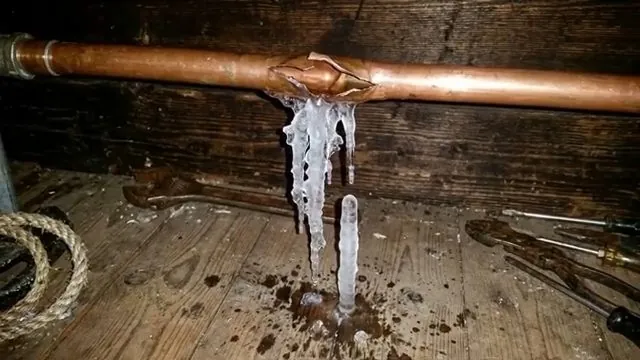
If a pipe does freeze, close the main valve before thawing, because the split often shows only after the ice melts. Water that does escape is a water damage problem the same day.
Is my home on a sewer line, a septic tank or a private well?
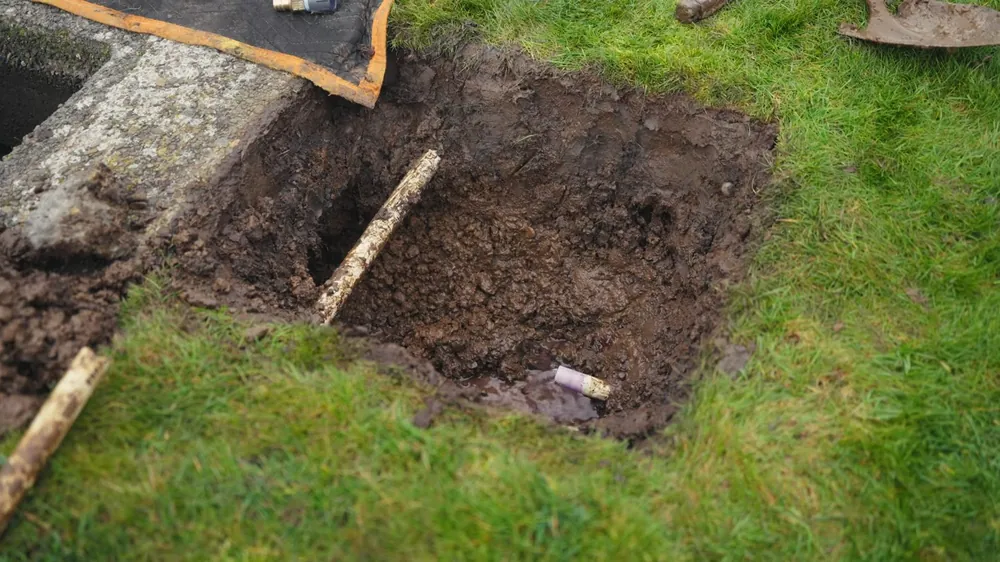
Inside Longmont the answer is almost always a city sewer line. The city looks after the main in the street, and the property owner looks after the pipe running from the house to the city main. Use this short test.
- Look for a city utility bill that lists sewer service.
- Locate the cleanout, typically a capped pipe beside the foundation wall.
- Ask the city utilities office if the address is outside the sewer district.
Septic systems and private wells are separate trades, and none of the services on this site include them.
Can the soil under a house affect the pipes?
Take a homeowner who sees a damp strip along the foundation after a dry month. The first question is where the water is coming from, not what the soil is doing. The Colorado Geological Survey notes that many Front Range cities sit at least partly on swelling soils or shales, so movement is a real background factor.
Soil is a background factor, though, and not a diagnosis. A plumber locates a leak first, using the approach on the leak detection page, before anyone blames the ground.
Where the local answers come from
Answers that mention Longmont rest on city pages and state sources, listed below. Costs are on a separate page, the cost guide, because a price answer needs its own sourcing.
Sources behind the answers (checked 13 November 2026)
Have a question this page did not answer?
Phone and ask. A dispatcher can answer most of these in under a minute.
- Licensed and insured plumbers
- Same-day service when available
- 24/7 emergency dispatch