
24/7 Emergency Line Open
Faucet, Toilet and Fixture Repair in Longmont: Drips, Runs and Weak Flow
Most fixture problems come from one worn part, and finding which one saves a trip to the hardware store. This page walks through toilets, faucets, valves and the cases where a swap makes more sense.
- Licensed and insured plumbers
- Same-day service when available
- 24/7 emergency dispatch
Running toilets: three parts to check
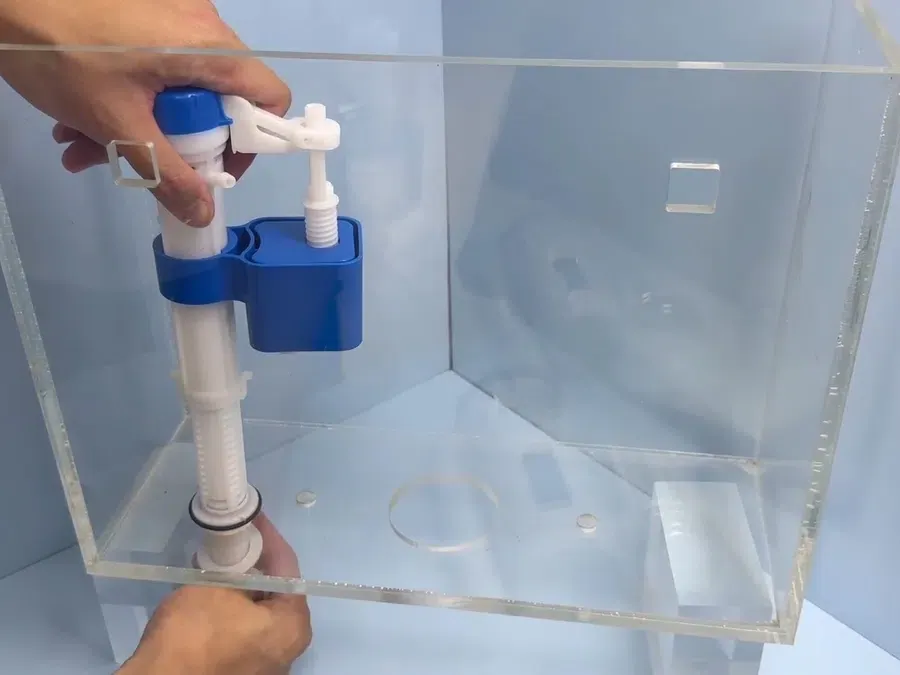
A running toilet is almost always one of three parts: the flapper, the fill valve or the flush valve seat. The EPA's WaterSense program estimates a running toilet can waste about 200 gallons a day, and it names a worn flapper as the leading cause of toilet leaks.
- Lift the tank lid and add a few drops of food coloring to the tank. Do not flush.
- Wait about ten minutes. Color in the bowl means the flapper is not sealing.
- If the bowl stays clear but water keeps entering the overflow tube, the water level is too high or the fill valve is not shutting off.
- If a new flapper does not stop the leak, run a finger around the flush valve seat for pits or a crack.
- Flush right after the test so the dye does not stain the tank.
WaterSense advises replacing flappers at least every five years. A chain with too much slack can also hold the flapper open, and one that is too tight keeps it from closing. A plumber can handle all of it in one visit, including a fill valve swap when the old one has cycled itself out.
Dripping, leaking or stiff faucets
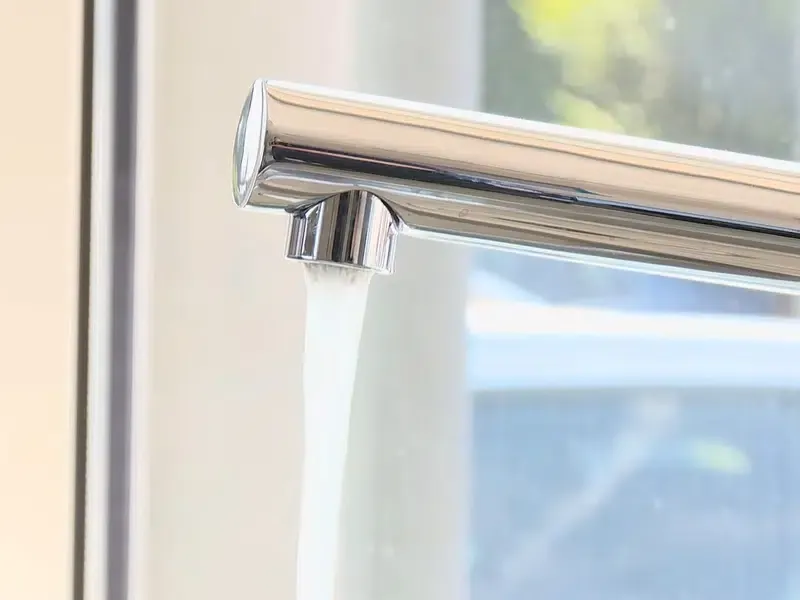
A faucet drips because a seal inside has worn. The fix depends on how the faucet is built, and a plumber identifies that before ordering parts.
| Faucet type | Typical cause of a drip | Usual repair |
|---|---|---|
| Compression (two handles) | Worn rubber washer or seat | Replace washer and seat |
| Cartridge (single handle) | Worn cartridge or o-rings | Replace the cartridge |
| Ball or disc | Worn seals or a scored disc | Replace the seal kit or disc cartridge |
| Pull-down kitchen faucet | Hose or spray head leaks | Replace the hose or head |
| Any type, leaking at the base | Failed o-ring or loose packing | Reseal or replace the faucet |
Mineral buildup clogs aerators and cartridges. The city's 2025 quality report puts local water in the soft range, at roughly 19 to 25 ppm, so scale is a slower problem here than in hard-water areas. Wear and age do most of the damage.
A leak under the sink can come from the faucet supply lines, the shutoff valves or the drain, so look at where the water collects before replacing anything. The drain cleaning page covers clogs and slow drains, which a faucet repair will not fix.
Fixture dripping or running all day?
Describe the fixture and where the water shows up. A plumber serving your area can bring the likely parts.
Weak flow at one tap or at all of them
Where the weak flow shows up tells you where to look. One tap with low flow points to its own aerator, cartridge or supply line. Hot water only points to the water heater or its lines. Every fixture in the house points to the main shutoff, the pressure regulator or the service line.
- One faucet: unscrew the aerator and rinse out grit, then check the cartridge.
- Hot side only: a sediment-clogged tank or a partly closed valve, see the {a('water-heater-repair','water heater repair page')}.
- Whole house: check the main shutoff, then the regulator and meter connection, see the {a('water-line-repair-replacement','water line page')}.
- Shower only: a clogged head or a worn mixing valve cartridge.
Shutoff valves and supply lines under fixtures
Every sink and toilet should have its own shutoff valve, so one fixture can be repaired without turning off the house. Old valves seize, drip at the stem or fail when turned, and a handle that has not moved in years may not close all the way.
Replacing a valve is a small job when the supply line is accessible, and a quick fix when the valve is the only thing in the way of another repair. Braided supply lines are replaced when they kink, show rust at the nut or bulge. A line that has been in place for a decade or more is worth swapping while the fixture is apart.
A plumber will often suggest replacing valves while doing a fixture swap, since the valve is cheapest to change when the fixture is already out. Costs for fixture work are on the cost page, where each figure shows its source.
Replacing a toilet or fixture instead of repairing it
A repair makes sense for one failed part. A replacement makes sense when the porcelain is cracked, parts for an old model are hard to find, or the toilet uses far more water than a current one. Longmont's water pages mention programs for swapping out toilets that use 3.5 gallons per flush or more for a high-efficiency model certified at 1.1 gallons per flush.
The city lists a rebate for qualifying toilets through its efficiency partner, and it asks that old toilets be recycled at the Waste Diversion Center, with proof of the rebate application shown at drop off. Rebate details and amounts change, so check the city's water rebate page before buying.
Showers, tubs, bidets and hose bibs
The same approach applies elsewhere. A shower that will not stay on one temperature often needs a new mixing cartridge. A tub spout that drips uses a diverter or washer. A hose bib that leaks inside the wall in winter points to freezing, and the repiping page covers thawing and the freeze risk.
Ready to replace a toilet or faucet?
Tell the dispatcher what you want installed and whether you have bought it already.
Appliance hookups, remodels and rough-in work
Dishwashers, washing machines, ice makers and utility sinks all connect to the same water and drain lines as fixtures do. A kitchen sink disposal has its own garbage disposal page. A hookup needs a supply valve, a drain connection with a trap or standpipe where code calls for one, and room behind the appliance.
Remodel plumbing that moves or adds fixtures is different from a repair. The city lists changes to plumbing systems among work needing a permit, and the city's Building Services office can say what applies to your layout. Rough-in means placing supply and drain lines before the walls close, so the plumber should be on site while the framing is open.
Bathroom, laundry and specialty plumbing
Bathroom plumbing covers more than the toilet. A bathroom sink or vanity needs a drain assembly, a faucet and two supply lines, and a leak there usually traces to one of those connections. Bathtub leak repair starts with the spout, the overflow and the drain, since the tub itself rarely fails. A tub-to-shower conversion moves the drain and the valve, which makes it remodel work under the permit rule above.
Other rooms bring their own hookups. Laundry room plumbing means a washer box with two valves and a standpipe drain. A wet bar or an ADU needs supply, drain and vent lines laid out before the walls are framed. An outdoor faucet is repaired with a new washer or vacuum breaker, or replaced when the stem leaks inside the wall. Energy-efficient upgrades, such as low-flow fixtures, are a swap of the fixture and its supply.
Emergency fixture and supply line repairs
Treat a burst supply line or a valve that will not shut as urgent. Dispatch never closes, and same-day service is common when the day has space.
EPA, city and utility sources
- EPA WaterSense, leaks and flappers (summarized in plumbing guides)
- SupplyHouse, running toilet diagnosis and EPA water loss figure
- Toolstash, chain slack and dye test steps
- Longmont 2025 report on water hardness and treatment
- City of Longmont, high-efficiency toilet rebate and recycling
- City of Longmont, water wise programs
- Longmont permit page covering plumbing system changes
Fixture or valve giving trouble?
Describe what drips, runs or barely flows. A plumber serving your area can bring the likely parts to the first visit.
- Licensed and insured plumbers
- Same-day service when available
- 24/7 emergency dispatch