
24/7 Emergency Line Open
Water Heater Replacement in Longmont: Sizing, Permit and Hookup
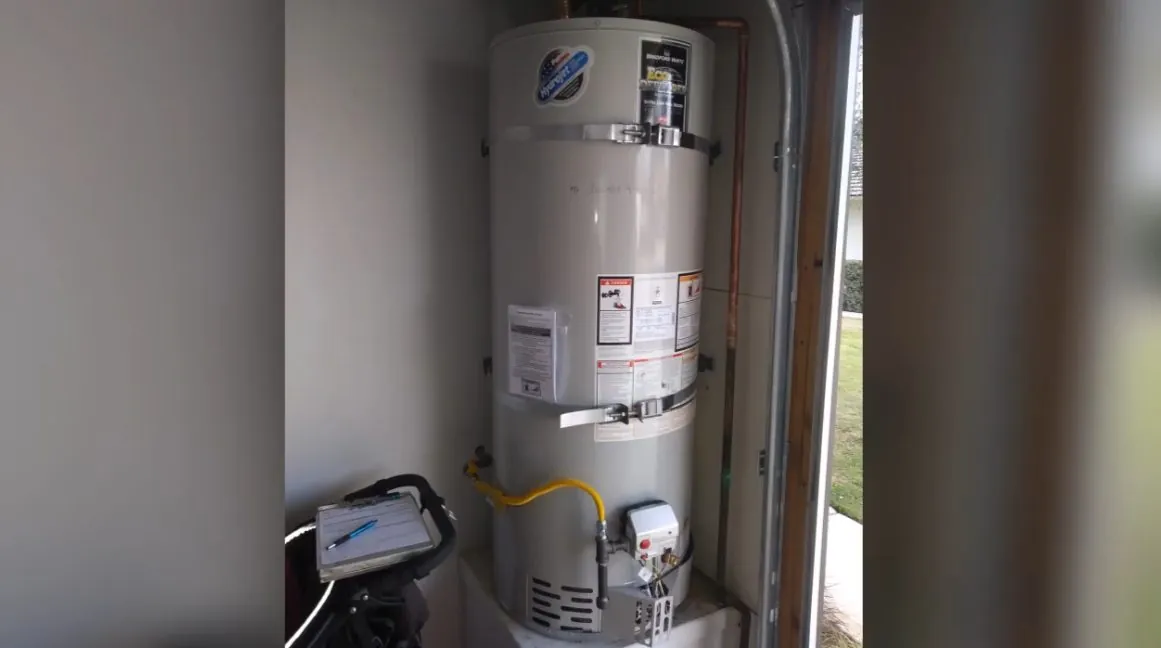
A tank that leaks from the shell is finished, and a new one has to be sized, permitted and connected correctly. Here is what that involves for a Longmont home.
- Licensed and insured plumbers
- Same-day service when available
- 24/7 emergency dispatch
When a leaking or failing tank has to be replaced
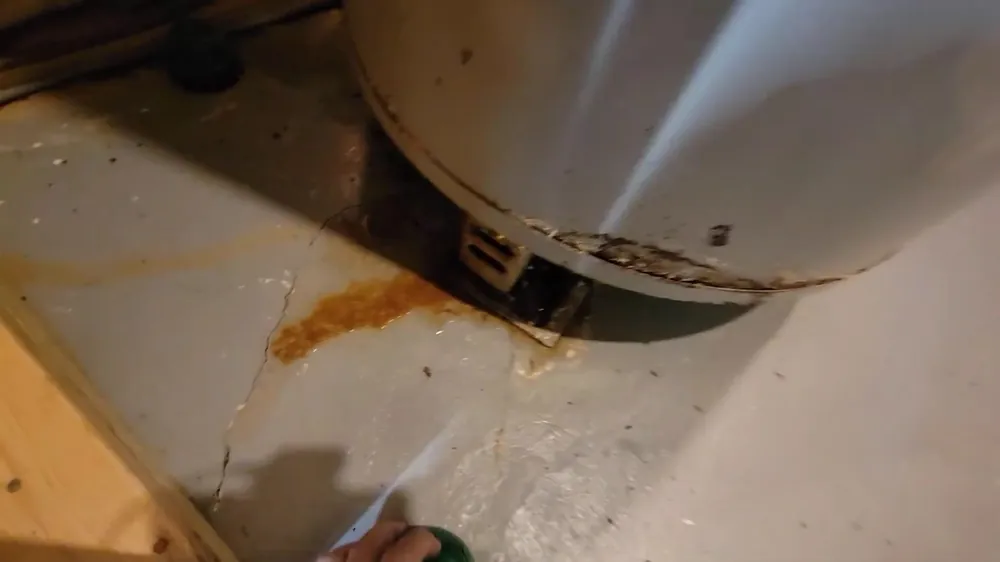
Most replacements start with a bad morning: a puddle on the garage floor, rusty hot water or no heat at all. Callers describe it plainly, usually as a heater that has died or a tank that is leaking and needs a new unit quickly.
Three signs point toward replacement instead of another repair. Water seeping from the tank shell or base means the steel vessel has corroded through. A heater that has needed several repairs in a short span is telling you something. And an old unit that is failing again deserves a straight comparison between one more repair and a new tank.
| What you see | What it usually means | Next step |
|---|---|---|
| Water at the base, shell wet | Corroded tank | Replace, and shut off the supply first |
| Rust in hot water only | Tank interior corroding | Have it looked at before it leaks |
| Second or third repair in a short span | Parts wearing out together | Compare repair with replacement |
| Label shows an old manufacture date | Unit near the end of its range | Plan the replacement before it fails |
Some homeowners buy a unit on their own and then call for the hookup. That works, but call first with the model number. The plumber can confirm the fit, the venting, the fuel type and whether an expansion tank or new connectors are needed before you carry a tank home.
Sizing: first hour rating matters more than gallons
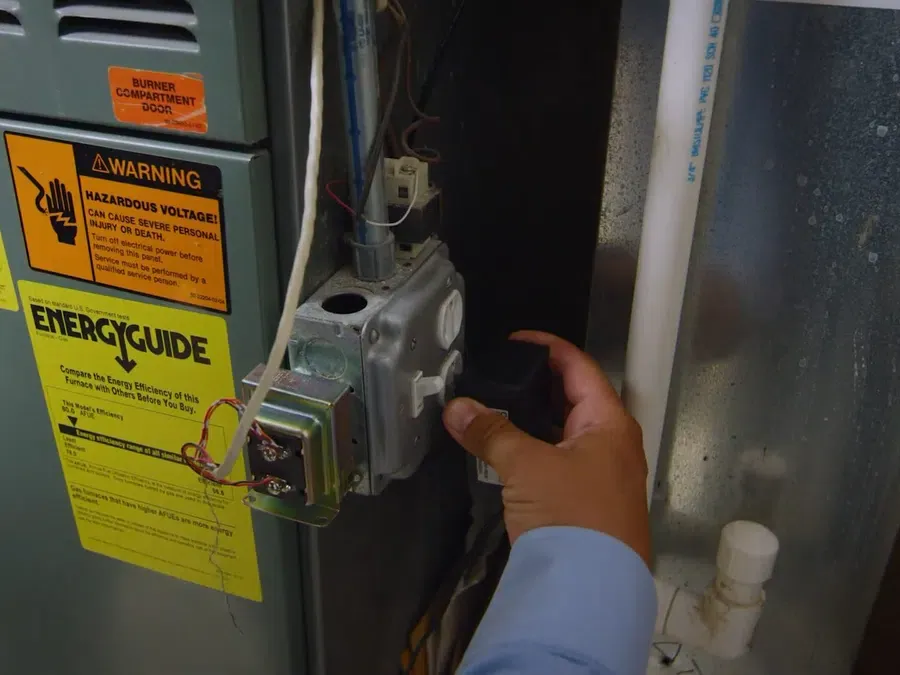
The U.S. Department of Energy points buyers to a number called the first hour rating. It is how many gallons of hot water a storage heater can deliver in one busy hour, starting with a full tank of hot water. It depends on tank capacity and on the size of the burner or element. The rating is printed in the top left corner of the EnergyGuide label.
The guidance is to compare that rating with your household's peak hour demand, the single busiest hour of hot water use in a day. The same method applies to a tank-type heat pump water heater. Two homes with four people can have very different peaks, which is why a bedroom count alone gives a poor answer.
- Morning rush: several showers back to back raise the peak hour sharply.
- Large tubs: one soaking tub can use much of a tank at once.
- Dishwasher and laundry timing: running them during shower hours adds to the peak.
- Replacing like for like: a plumber can read the old label and ask whether the household has grown or shrunk.
Ask the plumber for the first hour rating of the model quoted, not only its gallon size. The two numbers can differ widely between a gas tank and an electric tank of the same capacity, because a gas burner usually recovers faster.
Tank down and a hot shower overdue?
Turn off the water to the tank and its fuel or power, then call the dispatcher about a replacement visit. Same-day work is offered when the schedule has room.
Gas, electric, hybrid or heat pump: choosing the type
The fuel and the unit style change what the installation involves. The decision is partly about the house you already have, since the gas line, the vent and the electrical panel are all fixed starting points.
| Type | What the install needs | Watch for |
|---|---|---|
| Gas tank | Gas line and shutoff, a vent to the outdoors, combustion air | Altitude setup and a carbon monoxide alarm nearby |
| Electric tank | A dedicated circuit sized for the unit | Panel capacity and wire condition |
| Hybrid or heat pump tank | Space around the unit, a condensate drain and an outlet | Room size and where the cool exhaust air goes |
| Under-sink or point-of-use | A small tank near one fixture | Good for a distant sink, not a whole house |
| Tankless | Larger gas line and venting, or heavy electrical service | See the tankless page |
If the question is tank versus on-demand, the tankless water heater page covers the gas line, the vent and the flushing that those units add. A replacement is also a good moment to look at the gas line feeding a gas unit, since piping that is too small shows up as weak performance on a new heater.
Colorado's alarm law, C.R.S. 38-45-102, reaches single-family homes that burn fuel indoors when ownership changes, and it puts an alarm within 15 feet of sleeping rooms. A gas replacement is a natural moment to confirm that alarm works.
Altitude: setting up a gas heater at nearly 5,000 feet
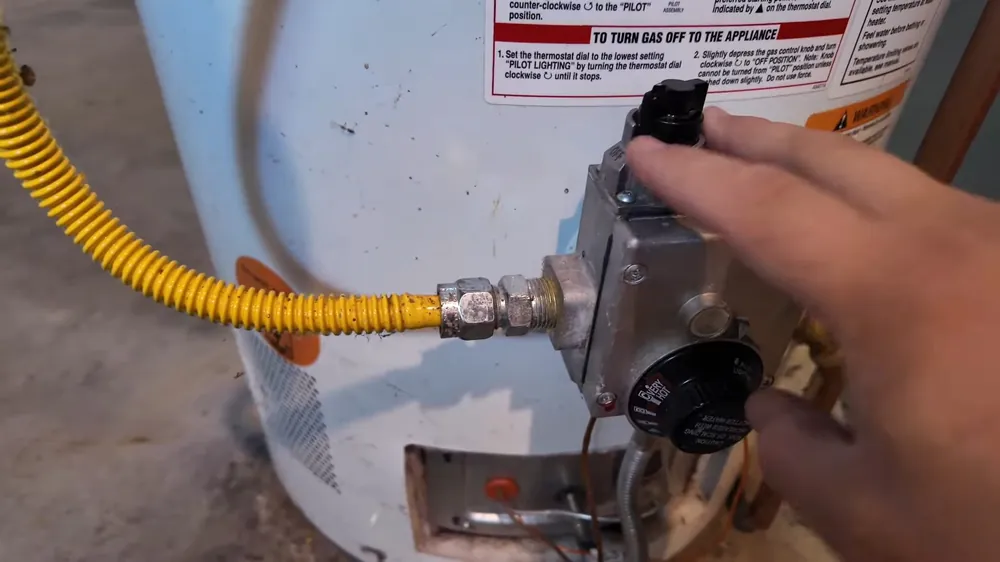
Longmont sits at 4,979 feet above sea level, by the city's own figure. That matters for gas appliances, because thinner air changes how a burner runs. Manufacturer manuals for gas water heaters handle it with a derate, a planned reduction in the burner's input.
One maker's manual states that standard models are for installation up to 2,000 feet and that its high-altitude models cover 2,000 to 4,500 feet. Above those limits, the input rating is reduced about 4 percent for each 1,000 feet, which usually means replacing the burner orifice. Another manual describes the same 4 percent rule above 2,000 feet and ties the work to the National Fuel Gas Code.
The details differ from model to model, so the installation manual for the exact unit decides. What is worth asking is simple: whether the model you are buying is rated for this elevation, and who sets it up. A gas heater installed as if it were at sea level can run poorly and make more carbon monoxide.
Ask about the right size before you buy
Give the dispatcher the model number or the old label details, and a plumber can confirm the fit and the venting first.
Permit and inspection for a new water heater
Water heater installation is on the City of Longmont's list of plumbing and gas work that needs a permit. A separate city permit form lists "Hot Water Heater" as its own line item. Permits come from Building Services at the Development Services Center, 385 Kimbark Street, and the office can be reached at 303-651-8332.
The permit is the reason to ask the installer who pulls it. It also protects the next owner, since an unpermitted heater can come up during a sale. If a heater is replaced as part of a larger remodel, the plumbing plans go in with the rest of the submittal.
The expansion tank question
A heater on a closed water system, where a check valve or pressure regulator stops water from backing out into the street, has nowhere to send the extra volume that heating creates. An expansion tank gives it room. The usual sign that one is missing is water dripping from the relief valve discharge pipe. The water line and pressure page explains how a regulator fits into that picture.
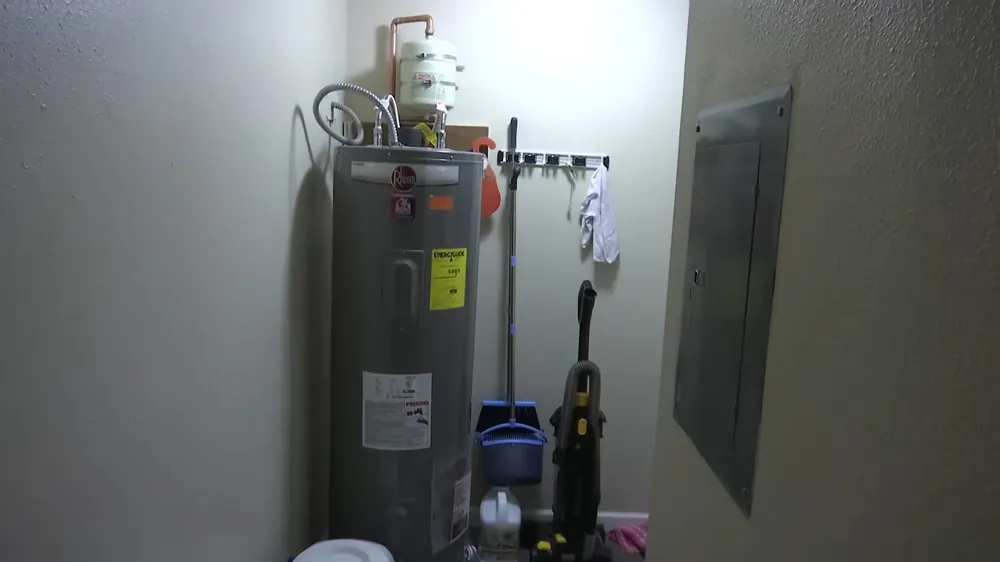
What the installation visit involves
A standard tank swap follows a predictable order. Knowing it helps you judge whether a quote leaves anything out.
- Shut off the water supply and the gas valve or the breaker, then drain the old tank.
- Disconnect the old unit and move it out of the way.
- Set the new heater on a level base, with a drain pan where the location calls for one.
- Connect the water lines with new connectors and the shutoff valves in good order.
- Connect the gas line and vent, or the electrical circuit, and add the expansion tank if the system needs it.
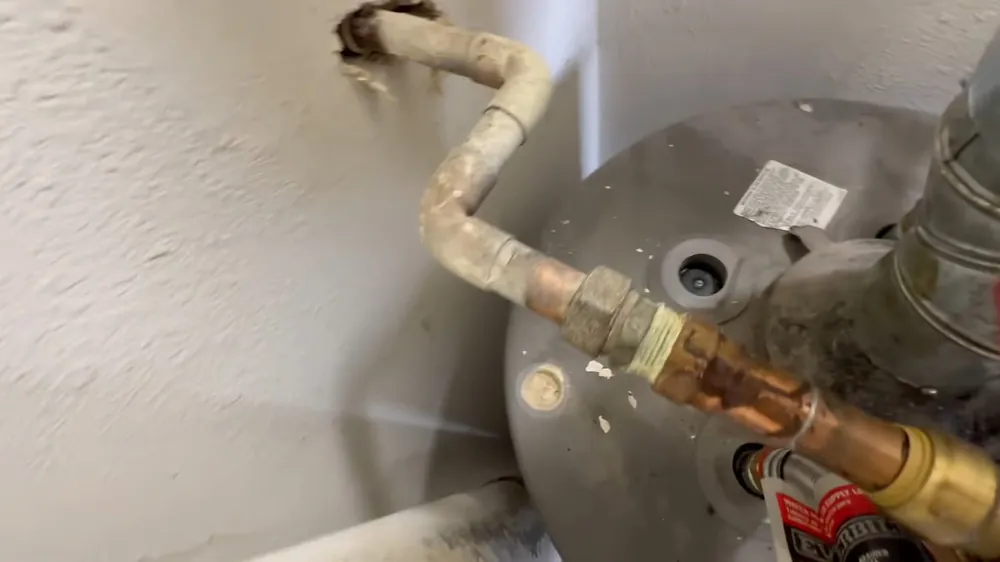
- Run the relief valve discharge pipe to a safe termination.
- Fill the tank, purge the air, test every joint, light or power the unit and confirm the temperature setting.
Ask where the old tank goes and whether the permit is part of the job. Ask whether the gas shutoff, the sediment trap and the vent will be checked, not only swapped. Those are the parts that matter if something goes wrong later.
Boilers and radiant heat: a short section
Boiler repair, replacement, expansion tank service and maintenance come up in Longmont as a narrower request than tank replacement, so they sit here in one short section rather than on a page of their own. A hot water boiler heats the house, not the faucet, but the questions are close cousins: fuel and venting, a permit, an expansion tank and a service record.
Larger and multi-unit buildings can fall under a state permit and inspection for new boilers and water heaters, according to a City of Longmont commercial submittal document. Single-family boiler work follows the city's gas and plumbing permit path. Describe the system on the call, including its age, the fuel and what it is doing, and the dispatcher can route it to a plumber who handles that equipment.
Same-day and emergency water heater replacement
A failed tank in winter feels urgent, and a leaking tank is. Dispatch answers all day and night. Same-day installation is possible when the schedule allows, and nothing here promises an arrival time. Shut off the water to the tank and the fuel or power while you wait.
City, federal and manufacturer sources used
- City of Longmont, permits and Building Services contact
- City of Longmont, permit form with Hot Water Heater line
- City of Longmont, commercial submittal checklist (state boiler and heater permit)
- City of Longmont, About Longmont (elevation 4,979 feet)
- U.S. Department of Energy, sizing a new water heater
- Gas water heater manual, high altitude models (Maytag)
- Gas water heater manual, orifice and altitude notice (Kenmore)
- Colorado statute 38-45-102, alarms in homes that burn fuel
Replacing a heater this week?
Sizing, the permit and the hookup can all be handled in one visit. Call and describe the unit and what it is doing.
- Licensed and insured plumbers
- Same-day service when available
- 24/7 emergency dispatch