
24/7 Emergency Line Open
Gas Line Installation in Longmont: Appliance Hookups, Permits and Leaks
A gas line is sized to the appliances it feeds, checked by the city when the work is permitted, and handled very differently from a water leak. This page covers the install, the repair and the smell.
- Licensed and insured plumbers
- Same-day service when available
- 24/7 emergency dispatch
Smell gas first: the steps before any repair call
Natural gas has an additive that smells like rotten eggs, and a leak can also sound like a hiss or blowing noise. If either shows up, the repair question comes second. Safety comes first.
- Leave the building at once with everyone inside, and leave doors open if you can do so without delay.
- Do not switch lights on or off, use a lighter, start a car in the garage or run any electrical device while you are still inside.
- From outdoors, at a distance, phone 911.
- Report the leak to Xcel Energy at 800-895-2999 after 911, as the utility told Denver-area customers.
- Stay out until responders say the building is safe, then have a plumber check the piping before any appliance is relit.
Once the building is cleared, a plumber serving your area can find the failed joint, valve or connector and repair it. The leak detection page covers water, which is a separate case from gas.
New gas outlets: ranges, dryers, fireplaces and grills
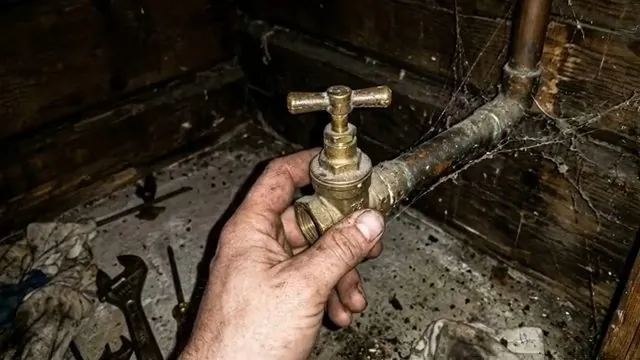
A new outlet means a new branch off the existing line, a shutoff valve at the appliance and a connector or fitting that matches the appliance. The appliance sets the load, and the load sets the pipe size.
| Appliance | What the hookup needs | Watch for |
|---|---|---|
| Gas range | Shutoff valve within reach and a listed connector rated for the full burner load | A connector too short or kinked behind the oven |
| Clothes dryer | Rigid branch, shutoff and a connector sized to the dryer input | A line shared with a long run that starves the burner |
| Water heater | Shutoff, drip leg and a connector or rigid hookup sized to its input | Added load when swapping to a larger or tankless unit |
| Fireplace or gas log set | A dedicated line and valve set to the maker's directions | Permit, which Longmont lists for gas log installation |
| Outdoor grill or fire pit | Buried or surface line to a quick-connect or fixed outlet | Marking buried lines first, see the 811 section |
Connector rules appear in the fuel gas code. A flexible connector may not run through a wall, floor or partition. Guidance based on the code limits the length to 3 feet for most appliances and 6 feet for ranges and dryers. Connectors are rated by inside diameter and length, so a longer connector carries less gas, and the appliance label tells the plumber what it needs.
Adding a gas range, dryer or fireplace?
Give the appliance, its location and the nearest existing gas line. The dispatcher can set up a visit to price the branch and check the load.
Pipe size comes from the load and the distance
Gas pipe is sized with a table, not a guess. The method used in code guides is the longest length method: measure from the gas meter to the farthest appliance, add up the BTU input of the appliances on each section, and read the pipe diameter from the table for that length and load. Fittings count as added length, and a common shortcut adds half again to the straight run.
Natural gas and propane have separate tables, since the two fuels carry different loads at the same pipe size. Common appliance inputs run from about 40,000 BTU per hour for a storage water heater to about 100,000 for a furnace, and a tankless unit can draw far more than either.
This is why a plumber will ask what else is on the line before adding anything. A branch that works for one dryer can fail once a fireplace and a tankless heater share the same trunk. The tankless heater page shows how that comes up in a conversion.
What a plumber needs to size a gas line
The meter location, the length and path of the run, the make and model of every appliance on the line and the fuel type. Photos of the meter and the appliance nameplates help.
Permits, inspection and what the city covers
Longmont's permit page says a building permit is required for any change to electrical, gas, mechanical or plumbing systems. Its examples include fireplace or gas log installation and water heaters, and its permit form has a line for gas line work. Gas piping is therefore permitted work, not something done quietly behind a wall.
The city's commercial submittal documents name the International Fuel Gas Code among the codes in force. Building Services can tell you which edition applies to a residential job and what it inspects. Ask the plumber who pulls the permit, how the new piping will be tested, and when the inspection happens, since an inspector may need to see the line before it is covered.
Capping an unused line is part of the same conversation. An abandoned outlet is closed with a proper cap rather than a closed valve alone, and the plumber can say which fits your case. Water heater replacement involves gas hookup too, covered on the installation page.
Not sure a permit applies to your gas job?
Ask before work starts. The dispatcher can arrange a visit, and city Building Services can confirm what the permit covers.
Repairing a gas leak: valves, connectors and joints
Most leaks come from a few places: an old flexible connector, a worn shutoff valve stem, a threaded joint that has loosened or a corroded section of steel pipe. Plumbers find them with a gas detector and a leak-check solution that bubbles at the spot, not by sniffing alone.
- Connector leak: replace the connector. Reusing an old one is discouraged, since connectors are listed for one installation.
- Valve stem seep: replace the valve, not just tighten the packing.
- Joint leak: disassemble, clean, reseal with a gas-rated compound and retest.
- Corroded pipe: cut out the section and replace it with new pipe or tubing.
- Appliance leak: the appliance itself may need service from its maker or a servicer who handles that appliance type.
Pipe replacement depends on the material. House gas piping is usually black iron steel pipe or corrugated stainless steel tubing, called CSST. Rusty or corroded black iron is cut out and replaced, and CSST follows the maker's installation rules. Ask which material the plumber plans to use and why.
Once the work is finished, the plumber tests it and checks nearby appliances before leaving. Ask to see the test, and have the appliance relit only after it passes.
Buried gas lines, propane and 811
A gas line to a detached garage, a fire pit or a grill runs underground, and digging for it triggers the same call as any other utility work. Colorado law requires a request to Colorado 811 at least three business days before you dig, and utility owners then mark their lines. A private branch, such as one to a shed, is outside what utilities mark, so a private locator may be needed. Xcel Energy reported hundreds of incidents in Colorado in 2023 where customers dug without calling and struck gas or electric lines.
If you hit a gas line, leave the area, warn others and call 911. Gas blowing from a damaged line is an emergency, and a leak that is only a smell is as well.
Propane appliances follow their own sizing tables and fittings, and the plumber should confirm the fuel before connecting anything. A tank and regulator are also set by the supplier and the code, so ask who handles each piece. Yard drainage and grading sit outside this page, but trench work for a new line should be backfilled to match the lawn.
Same-day gas line work
A smell is an emergency and goes to 911 first. For repairs and hookups, dispatch answers at any hour and can often book a same-day visit if there is room on the schedule.
Utility, city and code sources
- CBS Colorado, Xcel Energy statement on reporting a gas leak
- CBS Colorado, how to detect a dangerous gas leak
- City of Longmont, when a building permit is required
- City of Longmont, permit application form with gas line item
- City of Longmont, commercial submittal checklist listing fuel gas code
- ICC, fuel gas pipe sizing steps
- Jaspector, gas pipe sizing and connector limits under the IRC
- Hawaii Gas, appliance connector rules from NFPA 54
- TracPipe, flexible gas piping installation guide
- Boshart, how flexible gas connectors are sized
- Colorado 811, requests and private lines
- Xcel Energy digging tips reported by FOX21
Gas appliance to hook up or a line to repair?
Describe the appliance and the location. The dispatcher can send a plumber who serves your area to size the line and quote the work.
- Licensed and insured plumbers
- Same-day service when available
- 24/7 emergency dispatch