
24/7 Emergency Line Open
Water Softeners and Filters in Longmont: Read the City Report First
Before buying a treatment system, read what the city already reports about the water. Local hardness is low, which changes what a softener can do for you.
- Licensed and insured plumbers
- Same-day service when available
- 24/7 emergency dispatch
What the city report says about Longmont water
Longmont publishes a yearly water quality report, and the 2025 edition gives hardness in the range of 19 to 25 ppm, a soft rating. Dividing by the usual conversion of 17.1 ppm per grain, that works out to roughly 1 to 1.5 grains per gallon. The report also describes the city's water as treated with chlorine, not chloramine.
That matters because the usual reason to buy a softener is hard water that leaves scale on fixtures and inside heaters. Online lookups and vendor pages quote other figures, and some of them contradict the city. The city's own report, which covers the water that reaches your meter, is the number to trust, and your plumbing can differ from the average if a different supply feeds your street.
Softening and filtering do different jobs
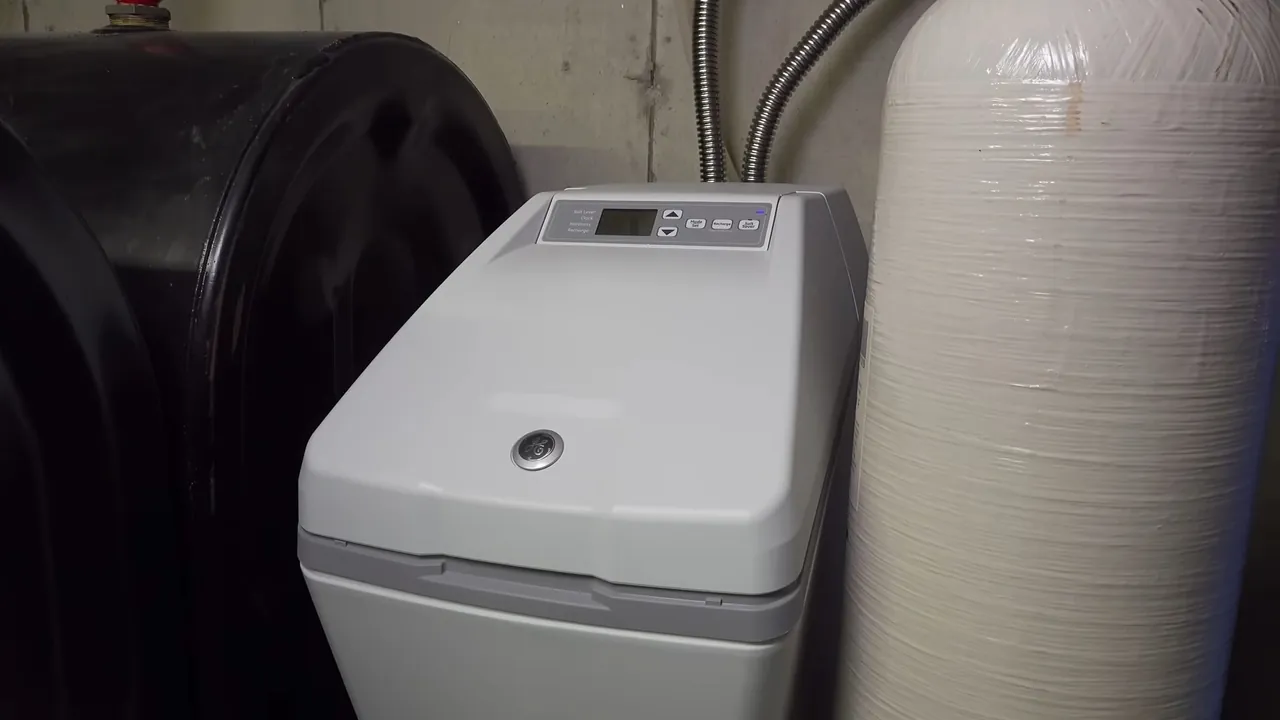
A softener swaps hardness minerals for sodium or potassium in a resin tank. A filter removes particles, tastes or specific contaminants and leaves hardness alone. Mixing up the two is how people end up with the wrong equipment.
| System | What it changes | What it does not do |
|---|---|---|
| Salt-based softener | Removes calcium and magnesium that cause scale | Does not filter for taste, lead or germs |
| Sediment filter | Catches sand, rust and grit | Does not soften or remove dissolved chemicals |
| Carbon filter | Reduces chlorine taste and odor | Does not remove hardness |
| Reverse osmosis at one tap | Reduces many dissolved substances at the drinking faucet | Does not treat the whole house |
| Whole-house filter | Treats all water entering the home | Not a softener unless built as one |
A buyer should be able to say which problem the system is meant to fix. If the problem is taste, a carbon filter does the job. If the problem is a specific dissolved contaminant, the label should name it. If the problem is scale, check hardness first, since that decides whether a softener is needed.
Not sure what your water needs?
Describe what you see, such as spots, scale or taste. A plumber serving your area can point to the equipment that fits the symptom.
Signs of a treatment problem, and how to test
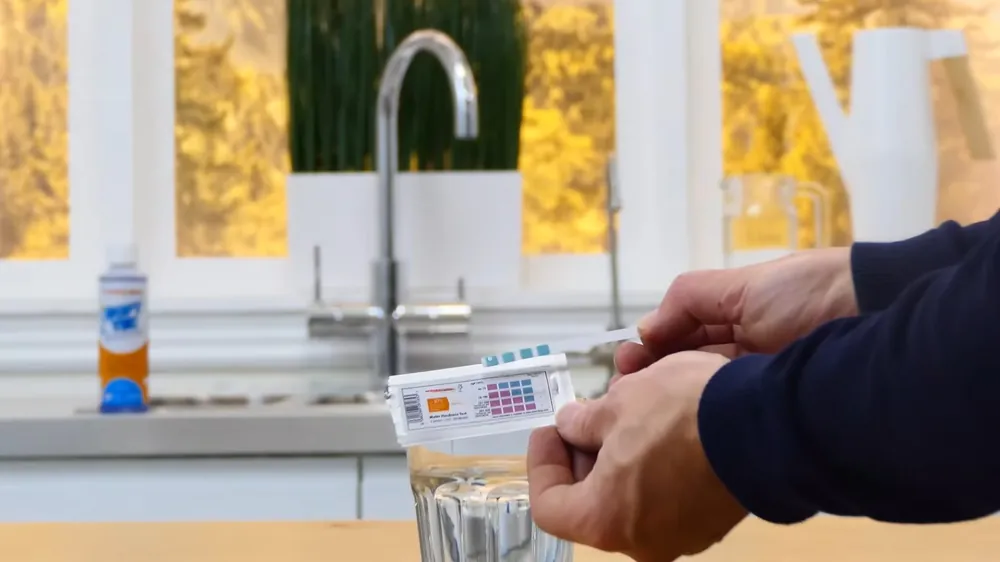
Scale on a showerhead, crusty faucet aerators and a heater that rumbles can all come from hardness. In soft water, those signs more often point to age, local conditions or a fixture issue instead. Test before assuming.
- Hardness strips: low cost and quick, read in grains per gallon or parts per million.
- The city report: covers the water leaving the utility, not what happens inside your pipes.
- Before and after readings: test the tap, then the softened tap, to see the difference.
- Low flow at one tap: usually a clogged aerator or cartridge, see the {a('faucet-toilet-fixture-repair','fixture repair page')}.
Treated water from a working softener reads very low on a test, in the range of 0 to 3 grains per gallon. Test at a softened tap, since bypass lines and outdoor spigots are normally unsoftened and will read higher.
Softener repair: salt bridges, regeneration and resin
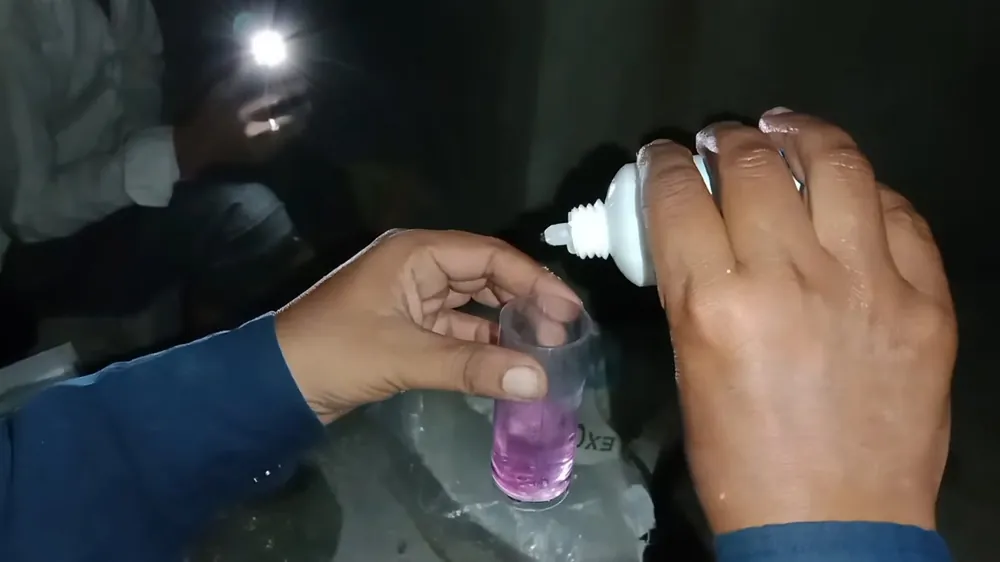
If you already own a softener and it stopped working, the problem tends to be one of a short list. Start with the brine tank.
| Symptom | Likely cause | Typical response |
|---|---|---|
| Hard water with a full salt tank | Salt bridge, a crust that holds salt above the water | Break the bridge and run a manual regeneration |
| No salt use at all | Brine not drawing, clogged injector or valve | Clean the injector and check the valve |
| Salt tank full of water or sludge | Salt mushing or a failed brine line | Clean out the tank and refill |
| Water hard again soon after regeneration | Wrong hardness setting or worn resin | Reset the setting, then test resin capacity |
| Resin beads in the tap | Broken resin tank internals | Service the tank |
Brine tanks should hold salt at least a quarter to half full for the system to regenerate properly. Resin beads wear over many years, and one vendor puts their service life at 10 to 15 years, so an old unit that no longer softens may need new resin or replacement rather than another reset.
A softener set for hard water but fed soft water regenerates more often than it needs to and wastes salt. That is worth fixing in the control settings, and a plumber can read the setting against your tested hardness.
Softener stopped softening?
Name the make if you can, and say what the salt tank and control panel show. A visit can check the brine draw and the valve.
Under-sink and drinking water filters
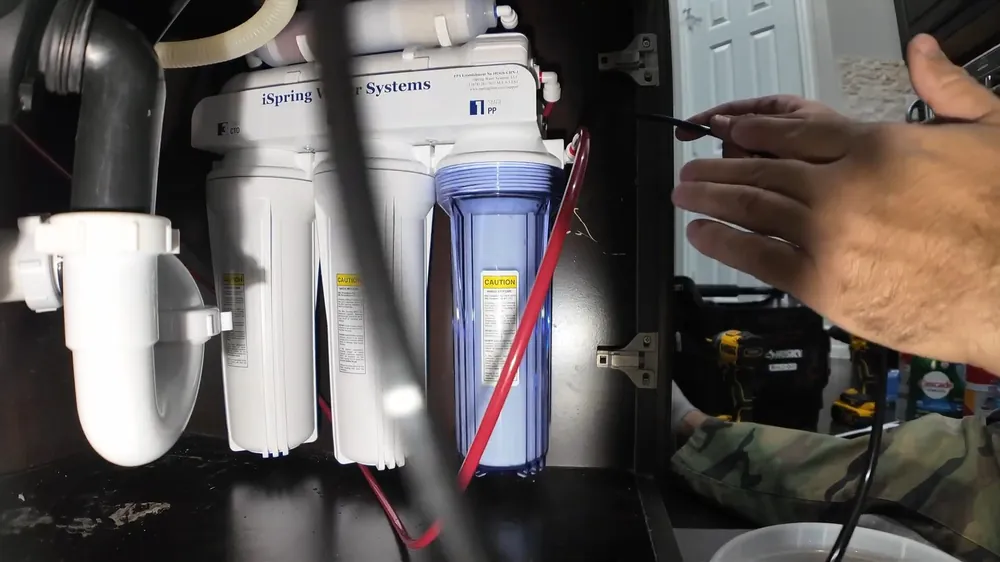
Drinking water filters are matched to a claim. The NSF certification list shows which standard covers which contaminant, and the CDC's guidance on home filters says to read the label and look the product up in the NSF database. Standard 42 covers taste and odor, standard 53 covers health-related reductions such as lead, and standard 58 covers reverse osmosis systems.
- Pick the filter by the problem you want to solve, not by the number of stages.
- Check that the certification covers that exact contaminant.
- Replace cartridges on the schedule in the manual, since an old cartridge stops working.
- An RO system needs a drain connection and its own faucet at the sink.
A plumber can install the filter, the drain saddle and the faucet, and test for leaks afterward. Heater effects also deserve a mention. Soft water reduces scale buildup inside tank and tankless heaters, which helps the flushing schedule described on the tankless page. The water heater side of a softener install is covered on the water heater repair page.
Installing, moving or removing a softener
A softener needs a drain for regeneration water, a nearby outlet and bypass valves so it can be isolated for service. Plumbing changes, even small ones, sit under the city's permit rule for changes to plumbing systems, and Building Services can confirm what applies.
Removal is common too. Some owners find soft water already suits their house and take the softener out, and a plumber can cap the bypass and drain connections neatly. Pricing for any of this is on the cost page, where each figure carries its source.
Same-day softener and filter service
A leaking tank or valve is the urgent case. Calls are answered day and night, and the dispatcher can fit in a visit that day if a slot opens.
City and standards sources
- Longmont utilities annual report on 2025 drinking water
- NSF, contaminant reduction claims
- Inspect and Test, CDC guidance on choosing home water filters
- HardWaterHQ, testing at a softened tap
- SoftPro, salt bridge and brine tank troubleshooting
- SoftPro, resin service life
- Chemaqua, softener capacity and regeneration
- Longmont permit rules for plumbing changes
Softener or filter question?
Say what the water is doing at the tap, then call. The dispatcher can book a plumber who serves your area.
- Licensed and insured plumbers
- Same-day service when available
- 24/7 emergency dispatch